Introduction
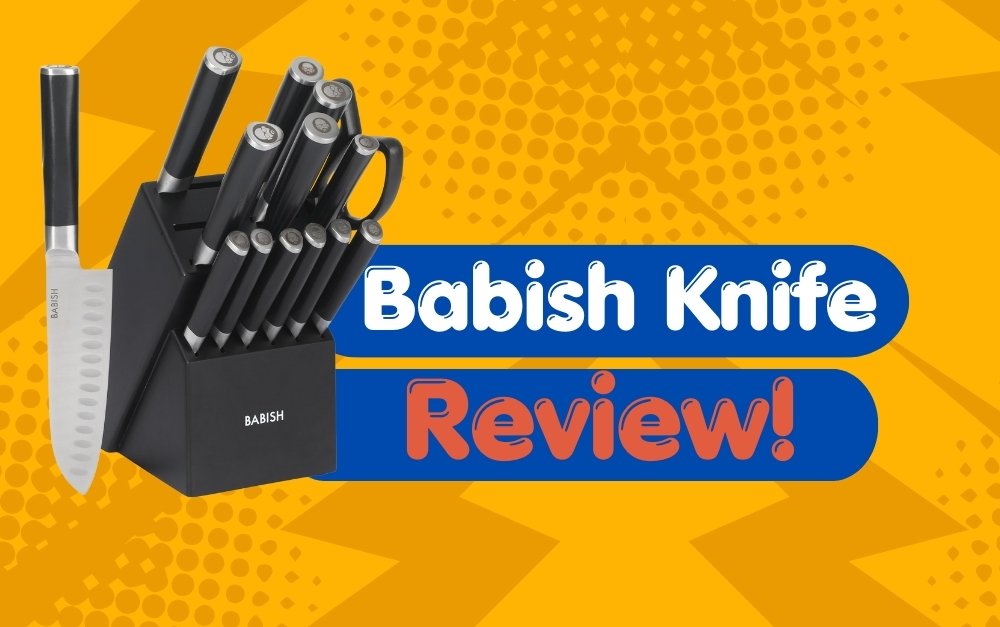
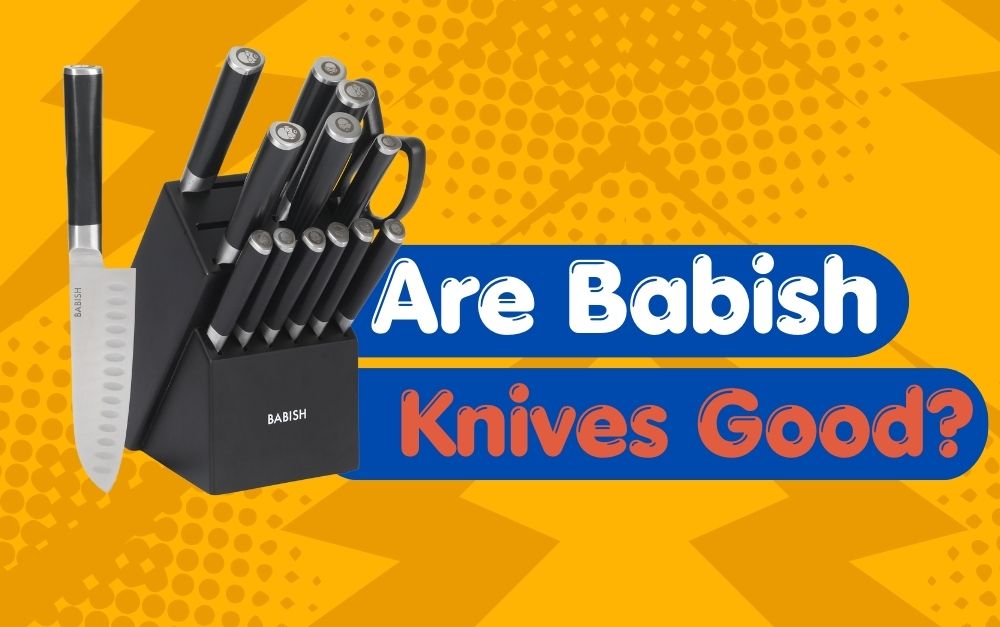
Are Babish Knives Good? Yes. Babish Knives are good for home cooks who want sharp, balanced, and easy-to-use blades without paying premium prices. I’ve used them for everyday cooking, from slicing veggies to carving roasts, and they’ve held up better than I expected. Made with German stainless steel (1.4116) and a Rockwell hardness of 56 HRC, they feel sturdy yet simple to handle — a great fit for real kitchens, not just TV sets. As someone who’s tested countless knives, I’d say Babish Knives strike a rare balance between quality and comfort. If you’re building your kitchen toolkit, these are worth a try.
Babish Knives Review
If you’ve watched Binging with Babish, you’ve seen those sleek knives slicing through onions like butter. But are Babish Knives actually good for everyday cooking? Let’s find out.
Are Babish Knives Good?
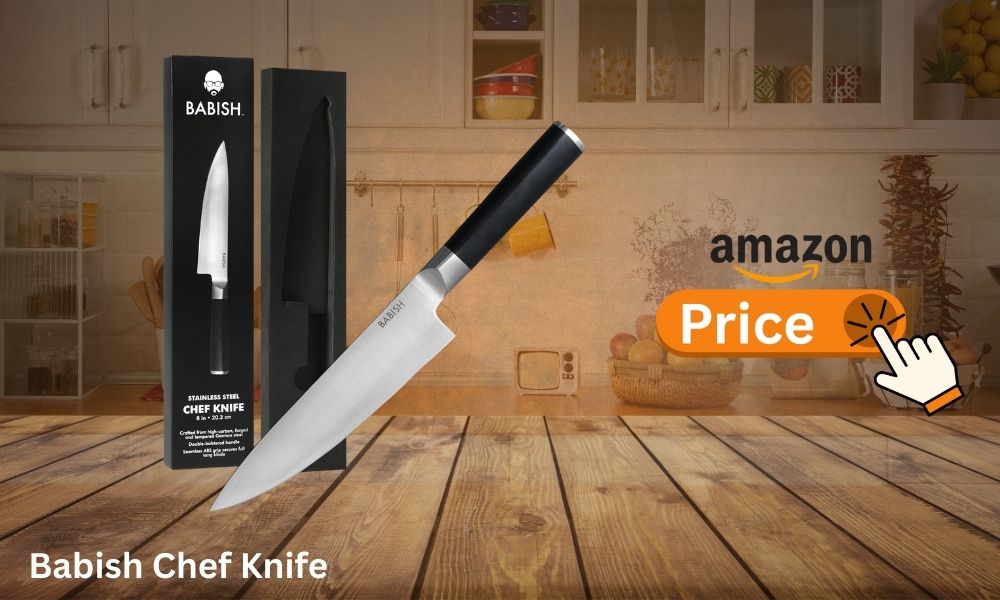
Yes — Babish Knives are surprisingly good for their price. I’ve used the Babish Chef’s Knife almost daily for months. It cuts smoothly through dense veggies and proteins without much effort. I first used it while meal-prepping chicken and sweet potatoes, and it held a sharp edge even after several weeks.
The handle feels solid yet light, making it easy to control. It’s made from German stainless steel (1.4116) with a Rockwell hardness of 56 HRC, which means it’s tough enough for everyday use but easy to sharpen. In short, Babish Knives hit a sweet spot between performance and value, especially for home cooks in the U.S. who want pro-style tools without spending Wüsthof money.
Babish Knives Specifications
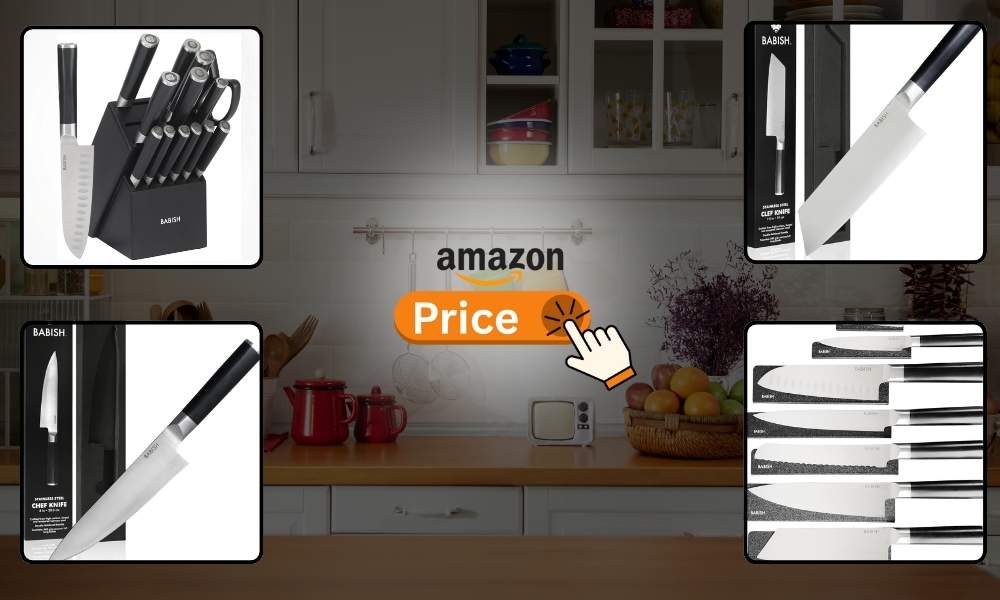
Knife Collection Includes:
- Chef’s Knife – 8” versatile all-purpose blade
- Santoku Knife – 7” Japanese-style precision cutter
- Clef Knife – for heavy chopping tasks
- Bread Knife – serrated edge for crusty loaves
- Paring Knife – small blade for detail work
Babish Knives Specifications
Blade Material: German Stainless Steel (1.4116 Steel)
Hardness Rating: Rockwell 56 HRC
Handle Material: Full-tang stainless with ergonomic grip
Finish: Satin polish for smooth slicing
Brand: Babish Culinary Universe (by Andrew Rea)
Materials and Build
Babish Knives are crafted from German stainless steel (1.4116), the same steel used in brands like Wüsthof and Tramontina. This type of steel resists rust and holds a sharp edge without being brittle. The blades are full-tang, meaning the steel runs through the handle for balance and strength.
I appreciate how solid they feel without being heavy. The satin finish makes cleaning easy, and the edge retention holds up after weeks of chopping onions, meat, and even squash. For a mid-range knife, the build quality genuinely stands out.
Design
The design blends simplicity and function — very much like Andrew Rea’s cooking style in the Babish Culinary Universe. The clean, modern lines look great on any countertop. The handle fits naturally in your hand and doesn’t slip, even when wet.
The overall design gives a professional vibe without being intimidating. You can tell it’s made for both beginners and enthusiasts who value comfort and precision. Even the packaging feels premium for its price range — minimal, elegant, and ready to gift.
Performance
Performance is where Babish Knives really shine. The 8-inch chef’s knife handles most kitchen tasks with ease. It glides through vegetables and meats cleanly, needing minimal effort. I used it for dicing tomatoes and mincing garlic — it cut smoothly without squishing or tearing.
The Santoku knife is great for fine slicing herbs and veggies, while the bread knife keeps its edge through crusty sourdough. The HRC 56 hardness means it’s sharp but not brittle, which helps avoid chipping. In simple terms, these knives work hard without wearing you out.
What I Like
- Balanced Weight and Feel: Each knife has a nice balance — not too heavy, not too light. Perfect for long cooking sessions.
- Quality Steel at Fair Price: The German 1.4116 stainless steel gives durability similar to Wüsthof but costs much less.
- Comfortable Grip: The ergonomic handle makes slicing safer and smoother.
- Easy Maintenance: Cleans quickly, doesn’t rust easily, and sharpens well at home.
- Modern Design: Matches well with other kitchen tools like OXO Good Grips cutting boards and utensils.
What Could Be Better
- Edge Retention Over Time: While sharp out of the box, it may need more frequent honing compared to higher-end knives.
- Limited Availability: Sometimes out of stock in U.S. retailers or on Amazon, which can be frustrating.
- No Knife Block Included: The set comes in a box, but a proper storage block would be nice for organization and safety.
Recommendation
If you’re a home cook or beginner chef who wants a solid, reliable knife set without breaking the bank, Babish Knives are a great choice. They balance performance, comfort, and price very well.
For professionals or those comparing with premium brands like Wüsthof, you might find Babish a bit softer in steel hardness and edge retention. But for most everyday cooking — chopping vegetables, trimming meat, or prepping family meals — these knives more than deliver.
In short, Babish Knives are worth it for anyone who values practicality, simple design, and dependable performance inspired by Andrew Rea’s Babish Culinary Universe.
Babish Knives Alternative Options
If you’re looking at Babish Knives, it’s smart to check other choices too. Some brands stand out in the same range. The top alternatives most people compare are Wüsthof and Tramontina.
Both are trusted names, but they suit different cooks. Here’s how Babish Knives stack up.
Babish Knives vs Wüsthof
I’ve used both in my kitchen. Wüsthof knives feel heavier and sharper, built for chefs who cook all day. Babish Knives are lighter and easier to handle, great for home cooks who want pro-level results without spending too much.
When I prepped meals with each, Wüsthof held its edge longer, but Babish felt more comfortable. Cleaning the Babish blade was quicker too. For most home use, I found Babish Knives just as satisfying and less stressful to maintain.
| Feature | Babish Knives | Wüsthof |
| Steel Type | German 1.4116 Stainless Steel | German X50CrMoV15 Steel |
| Hardness (HRC) | 56 | 58–60 |
| Edge Retention | Good for home use | Excellent, long-lasting |
| Handle Feel | Light and ergonomic | Heavy and balanced |
| Maintenance | Easy to sharpen | Needs more care |
| Price Range | Affordable | Premium |
Summary: Wüsthof gives longer edge life and feels professional. Babish Knives offer comfort, control, and easy use for everyday cooking. It’s a choice between chef-level sharpness and home-level simplicity.
Read Our Full Comparison between DALSTRONG vs WUSTHOF
Babish Knives vs Tramontina
This comparison feels closer. I’ve used Tramontina knives for quick home meals. They cut well and feel light. But after switching to Babish Knives, I noticed better balance and a sturdier grip.
When chopping veggies or trimming meat, Babish feels smoother and steadier. Tramontina sets often include more pieces, which is nice for beginners. Still, the Babish build and finish give it a more refined edge.
| Feature | Babish Knives | Tramontina Knives |
| Steel Type | German 1.4116 Stainless Steel | German Stainless Steel |
| Hardness (HRC) | 56 | 55 |
| Weight | Balanced and solid | Light and flexible |
| Grip Comfort | Ergonomic handle | Basic handle options |
| Design | Modern look | Classic design |
| Price Range | Affordable mid-tier | Budget-friendly |
Summary:Tramontina is great if you want more knives at a lower cost. Babish Knives feel stronger, look better, and perform more smoothly. For me, Babish wins on comfort and control.
My Final Thoughts
If you cook often and want knives that feel balanced, sharp, and easy to use, Babish Knives are a great choice. They fit well in the hand and make meal prep simple, even on busy weeknights. But if you cook all day or want blades that stay razor-sharp longer, a premium brand like Wüsthof might suit you better.
For me, Babish Knives hit the sweet spot — good quality, nice design, and fair price. They’ve made my daily cooking smoother and more enjoyable without feeling like a big investment.
Overall Rating
Babish Knives Rating: 4.5 out of 5
From my experience, Babish Knives score high for comfort, control, and value. They may need sharpening a bit sooner than premium knives, but they perform beautifully for home cooking. Reliable, well-made, and easy to love — a strong choice for most home chefs.
FAQs About Babish Knives
Q1: Are Babish Knives good for everyday cooking?
Yes, Babish Knives are great for daily use. They’re sharp, balanced, and easy to handle for most home cooks.
Q2: Who makes Babish Knives?
Babish Knives are made by Andrew Rea, the creator of Binging with Babish and the Babish Culinary Universe brand.
Q3: What steel is used in Babish Knives?
They use German stainless steel (1.4116), known for strength, rust resistance, and easy sharpening.
Q4: How hard are Babish Knives?
Babish Knives have a Rockwell hardness of 56 HRC, giving a mix of sharpness, durability, and easy care.
Q5: Are Babish Knives dishwasher safe?
It’s best to hand wash them. Dishwashers can dull the edge and damage the handle over time.
Q6: How do Babish Knives compare to Wüsthof?
Wüsthof knives are sharper and last longer, but Babish Knives give similar comfort and performance at a lower cost.
Q7: Are Babish Knives better than Tramontina knives?
Both are good, but Babish Knives feel sturdier and more balanced. Tramontina is lighter and budget-friendly.
Q8: Where can I buy Babish Knives?
You can buy Babish Knives on Amazon or through the Babish Culinary Universe website.
Q9: What kind of cook should buy Babish Knives?
They’re best for home cooks who want reliable, stylish knives without paying premium prices.
Q10: How often should I sharpen Babish Knives?
Sharpen every few months with a honing rod or sharpener, depending on how often you cook.
Q11: Are Babish Knives good for beginners?
Yes, they’re ideal for beginners. The knives are safe, balanced, and easy to control.
Q12: What makes Babish Knives different from other brands?
They blend German steel, smart design, and comfort. Inspired by Andrew Rea’s cooking style, they fit modern kitchens well.