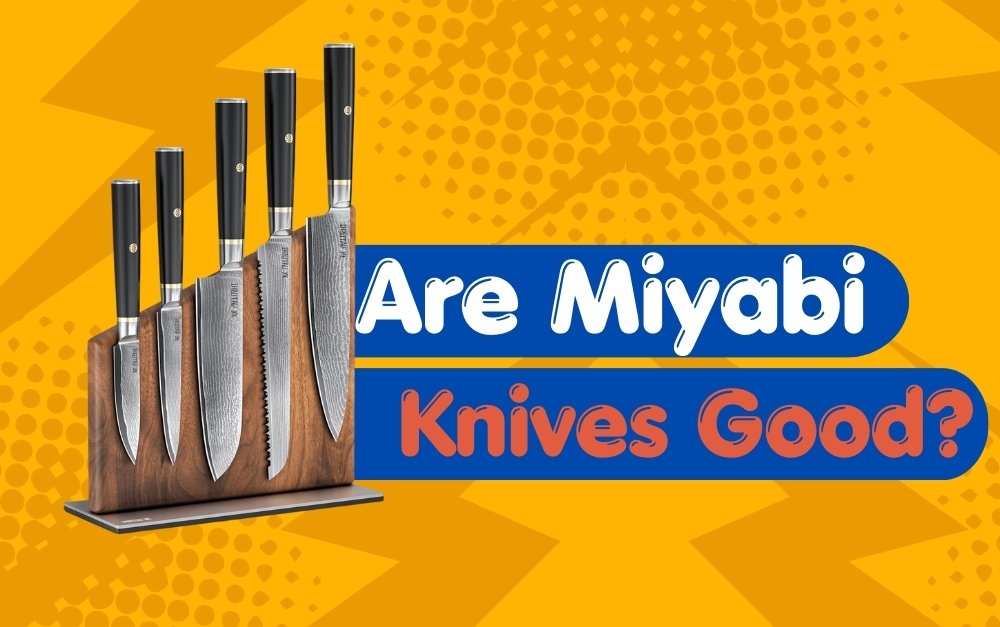
Are Miyabi Knives Good? Yes — Miyabi Knives are truly exceptional if you care about sharpness, balance, and craftsmanship. I’ve used them for years, and every slice still feels as smooth as the first. Handcrafted in Seki, Japan, these knives blend Japanese artistry with Zwilling’s German precision, making them both beautiful and reliable. They’re perfect for home cooks or professionals who value performance and design. If you’re thinking of upgrading your kitchen tools, Miyabi might be the knife that finally makes cooking feel effortless.
Miyabi Knives Review
If you’ve ever held a Miyabi knife, you’ve probably wondered — how can a kitchen knife cost this much?
I asked the same thing before testing one for myself. After months of cooking with it, I finally understand why.
Are Miyabi Knives Good?
Yes — but let me explain why in plain words.
I first used a Miyabi Birchwood chef’s knife while prepping sushi-grade tuna for a weekend dinner. The blade slid through with almost no effort. That moment changed how I looked at kitchen knives.
Over the next few months, I used it for everything from slicing onions to trimming brisket. It held its edge far longer than my German knives, even after heavy use.
What impressed me most was its balance — light enough for delicate cuts, yet strong when tackling dense foods. It’s the kind of knife that makes you want to cook more.
Miyabi Knives Specifications
Popular Variations:
- Miyabi Birchwood Series: SG2 steel core, 100-layer Damascus pattern
- Miyabi Artisan Series: SG2 micro-carbide steel, hammered finish
- Miyabi Black Series: ZDP-189 (MC66) steel, Rockwell hardness 66
- Zwilling Evolution Series: Combines German handle design with Japanese blade precision
Made In: Seki, Japan
Manufacturer: Zwilling J.A. Henckels (Germany)
Steel Type: SG2 or ZDP-189 depending on model
Blade Hardness: 61–66 HRC
Craft Process: Cryogenic ice hardening + hand-honed Damascus finish
Materials and Build
Miyabi knives are built in Seki, Japan, the same region known for centuries of samurai sword craftsmanship.
Each blade starts with SG2 or ZDP-189 powder steel, hardened through a cryogenic process to enhance strength and corrosion resistance.
The layered Damascus construction gives both beauty and protection, making each knife a functional piece of art.
When I first unboxed mine, I could feel the difference — it had that dense, refined feel you only get from top-tier materials.
Design
The design strikes a fine balance between Japanese artistry and German ergonomics.
Handles like the Birchwood D-shape feel natural in hand, keeping control even when my hands were wet.
Every curve seems intentional — from the balance point to the gentle taper of the blade spine.
Even after long chopping sessions, the handle comfort stood out.
Compared to many Western knives, Miyabi feels more graceful — like it’s guiding the motion instead of forcing it.
Performance
Here’s where Miyabi truly shines.
The sharpness is unlike anything I’ve used before. The factory edge is mirror-polished and hand-honed to a 9.5–12° angle, giving surgical precision.
It glides through ingredients rather than cutting them — even tomatoes or soft herbs stay intact.
The edge retention is incredible; I didn’t need to sharpen it for nearly three months
For chefs or serious home cooks in the U.S., this level of performance can make prep faster and more enjoyable.
What I Like
- Unmatched Sharpness: It cuts cleaner than any knife I’ve owned — truly razor-like.
- Exceptional Build Quality: The blend of Japanese steel and German engineering feels durable and balanced.
- Beautiful Craftsmanship: The Damascus pattern and natural wood handles make it as decorative as it is practical.
- Edge Retention: The cryogenic ice hardening keeps the edge sharp far longer than average knives.
- Authentic Heritage: Knowing it’s made in Seki, Japan, adds authenticity and trust.
What Could Be Better
Recommendation
If you value precision, longevity, and beauty in your kitchen tools, Miyabi knives are worth every penny.
They’re ideal for professional chefs, passionate home cooks, or anyone who appreciates fine craftsmanship.
However, if you prefer low-maintenance or budget-friendly knives, you might want to explore brands like Zwilling’s German lines or Shun Classic before committing.
For U.S. buyers, the Birchwood and Artisan models are the most accessible and well-supported, with reliable service from Cutlery and More and other trusted retailers.
Miyabi Knives Alternative Options
Not everyone needs a knife as premium as Miyabi.
If you want great sharpness and build but prefer a different price point or style, a few strong alternatives stand out.
Below are two brands I’ve personally used that often come up when people compare options — Shun and Wüsthof.
Miyabi Knives vs Shun Knives
When I first switched between Miyabi and Shun, I noticed how close they felt in sharpness.
Both are Japanese-style knives, but Shun feels a bit lighter and easier to handle for quick tasks like slicing fruit or herbs.
Miyabi, on the other hand, has a smoother edge finish and a slightly more balanced feel during long prep sessions.
| Feature | Miyabi Knives | Shun Knives |
| Blade Material | SG2 or ZDP-189 steel | VG-MAX steel |
| Craft Origin | Seki, Japan (Zwilling) | Seki, Japan (Kai Corporation) |
| Design Feel | Luxurious, refined Damascus finish | Practical, light, and modern look |
| Edge Retention | Longer lasting, needs less sharpening | Slightly softer edge, easier to hone |
| Price Range | Premium | More affordable |
Summary:Both knives are excellent, but Miyabi feels more like a collectible — something you’d buy once and treasure.
Shun offers great value and performance for everyday cooking without feeling too delicate or expensive.
If you’re just starting your Japanese knife journey, Shun might be the safer first step.
Read Also This Guide: HexClad Knives vs Shun
Miyabi Knives vs Wüsthof Knives
Wüsthof is a very different experience.
It’s German, heavier, and feels more robust in the hand. When I used my Wüsthof Classic, it felt powerful — perfect for cutting through thick meats or hard vegetables.
Switching back to Miyabi felt like moving from a pickup truck to a sports car — lighter, sharper, but less forgiving if you rush.
| Feature | Miyabi Knives | Wüsthof Knives |
| Blade Material | SG2 or ZDP-189 high-carbon steel | X50CrMoV15 German steel |
| Craft Origin | Seki, Japan | Solingen, Germany |
| Blade Hardness (HRC) | 61–66 | 58 |
| Design Style | Elegant, artistic, Damascus layers | Classic, sturdy, professional look |
| Maintenance | Hand wash, careful drying needed | More forgiving, low maintenance |
| Price Range | Premium | More affordable |
Summary: If you value artistry and ultra-fine precision, Miyabi is unmatched.
If you prefer strength, durability, and a heavier feel, Wüsthof may be the better everyday choice.
Personally, I use Wüsthof for heavy prep days and Miyabi when I want that perfect, graceful slice.
Read Also This Guide: DALSTRONG vs WUSTHOF
My Final Thoughts
If you love cooking and value precision, beauty, and craftsmanship, Miyabi Knives will feel like a dream tool in your kitchen.
They’re made for cooks who enjoy the art of slicing — where every cut feels smooth and effortless.
But if you prefer something heavier, simpler, or easier to care for, brands like Wüsthof or Shun might suit you better.
From my own use, Miyabi shines when I want control, balance, and that touch of elegance that makes prep work feel special.
It’s not just a knife — it’s an experience every passionate home chef should try at least once.
Overall Rating
Miyabi Knives Rating: 4.7 out of 5
Miyabi earns high marks for design, sharpness, and craftsmanship.
It loses a few points for price and maintenance needs, but the performance and feel are truly exceptional.
If quality and artistry matter more to you than convenience, this brand easily justifies its reputation.
FAQs
Are Miyabi Knives worth the money?
Yes, Miyabi Knives are worth it if you value sharpness, balance, and craftsmanship. They’re made in Seki, Japan, using premium steel for long-lasting performance.
Why are Miyabi Knives so expensive?
Miyabi Knives are expensive because they use SG2 and ZDP-189 steel, handcrafted in Japan with Damascus layers and ice-hardening for durability and beauty.
Do Miyabi Knives stay sharp longer than Shun?
Yes, Miyabi Knives stay sharp longer thanks to harder steel (61–66 HRC). Shun blades are easier to hone but may need sharpening sooner with regular use.
What steel do Miyabi Knives use?
Most Miyabi Knives use SG2 or MC66 (ZDP-189) steel. These are high-end Japanese steels known for edge retention, corrosion resistance, and fine cutting performance.
Are Miyabi Knives good for professional chefs?
Yes, many professional chefs love Miyabi Knives for their precise edge and lightweight balance. They handle long prep sessions with less hand fatigue.
How should I care for my Miyabi Knife?
Hand wash with mild soap, dry immediately, and store safely. Avoid dishwashers. Regular honing keeps the edge sharp for years.
Are Miyabi Knives better than Wüsthof?
It depends on what you prefer. Miyabi is sharper and lighter, ideal for precision work. Wüsthof is heavier and more durable for tough cutting jobs.
Where are Miyabi Knives made?
All Miyabi Knives are crafted in Seki, Japan — a city famous for centuries of fine blade-making and Zwilling’s Japanese knife production.
Which Miyabi series is best?
The Miyabi Birchwood SG2 is a top choice. It offers stunning looks, amazing balance, and a razor-sharp edge for both home cooks and pros.
Are Miyabi Knives good for beginners?
Yes, but they need care. Beginners who enjoy quality tools will love them. If you prefer less maintenance, start with Shun or Wüsthof.