
When it comes to keeping knives sharp, the debate of honing rod vs whetstone is one I know well. A honing rod keeps the edge aligned for daily cooking, while a whetstone actually sharpens by removing metal to restore a fresh edge. In my own kitchen, I’ve relied on rods for quick prep before dinner and whetstones when I wanted that razor-sharp feel back. After years of testing both, I’ve learned they work best together—and I’ll share what makes each worth your time so you can choose the right tool for your cooking routine.
Is a Honing Rod Good?
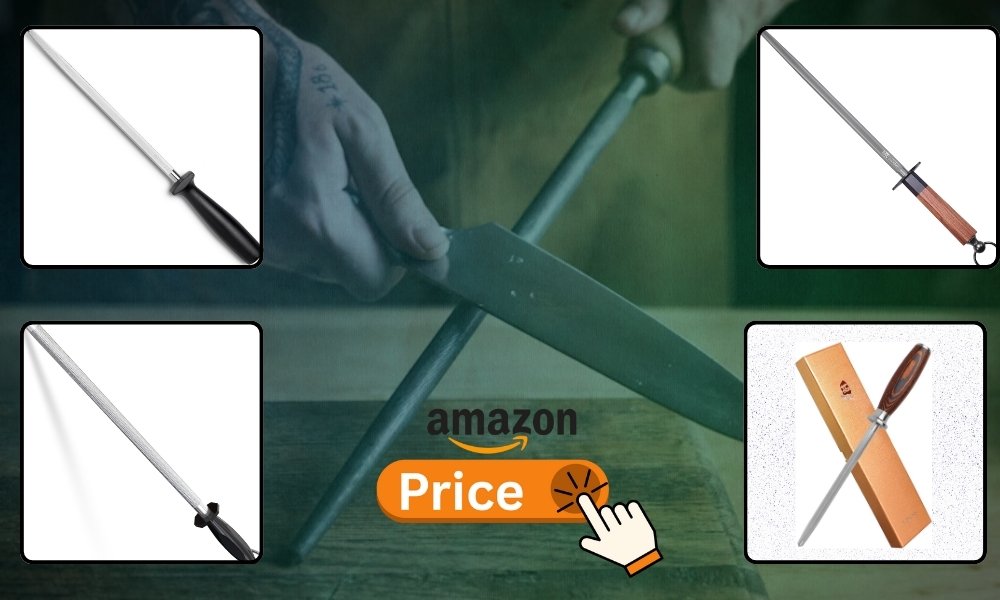
Yes—and it’s probably better than you think. A honing rod won’t sharpen your knife like a whetstone, but it does keep blades working longer between sharpenings. I’ve used one in my own kitchen for years, and it makes a real difference when I’m prepping quick meals. Imagine slicing tomatoes without the knife slipping or sawing—honing brings back that control.
When I tested a few rods, the longer 12-inch models stood out. They made it easier to hold the right angle without struggling. And just like the folks at America’s Test Kitchen found, smooth or lightly textured rods were the most reliable. Diamond rods cut too much steel for my taste, which shortens a knife’s life.
What I Like
- Quick results in daily cooking: A few swipes before dinner prep and my chef’s knife feels steady again. No learning curve—just angle, swipe, and cut.
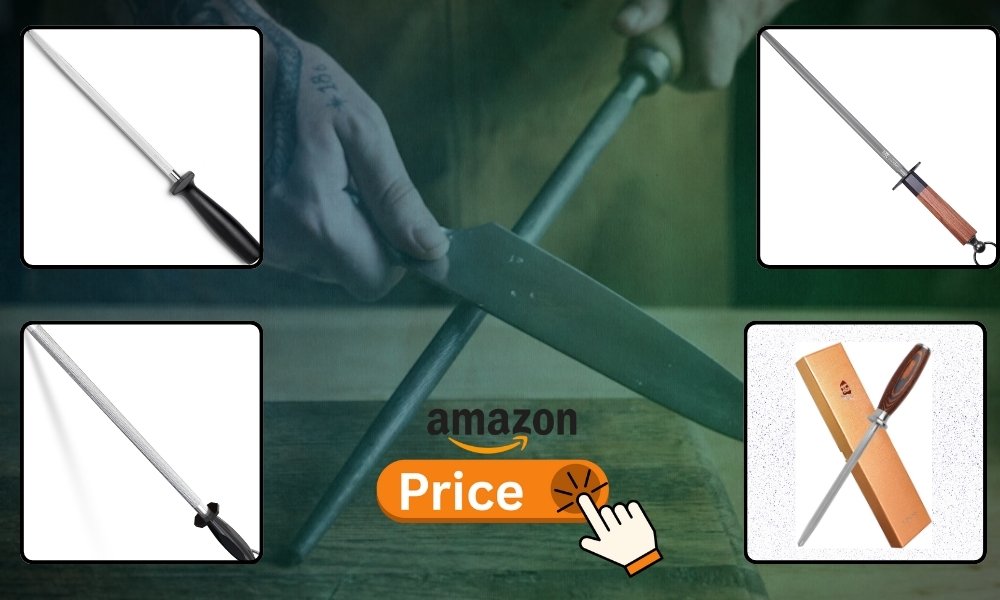
- Durability and variety: Ceramic rods like the Idahone Fine Ceramic give a gentle, consistent finish, while classic steels such as the Bob Kramer Double Cut feel solid in hand.
- Safety and control: Longer rods with slim handles make honing safer. I never feel cramped or like I’m going to slip, which is especially important for home cooks in small kitchens.
What Could Be Better
- Not a replacement for sharpening: A rod won’t fix a truly dull edge. You’ll still need a whetstone or pro sharpening when knives lose bite.
- Diamond-coated risk: Some rods strip away too much metal. In my tests, they worked fast but wore down softer knives quicker.
- Limited guidance for new users: Beginners often confuse honing with sharpening. Brands could include clearer instructions or short videos for better results.
Recommendation
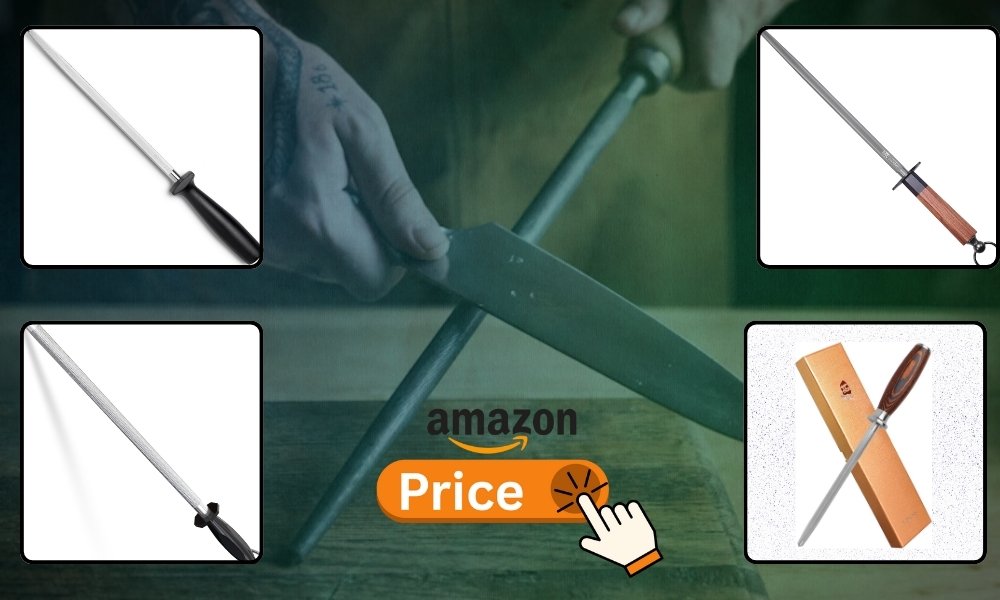
If you’re in the US and cook most nights, a honing rod is a smart buy. It’s a low-cost way to keep knives in top shape without pulling out a whetstone every week. I recommend the Bob Kramer Double Cut Steel . if you want a long-lasting tool with pro-level build, or the Idahone Fine Ceramic for a budget-friendly, reliable option.
But if you only cook a few times a month or your knives are already very dull, you may want to start with a whetstone or even send knives to a sharpener first. Honing keeps sharp knives working well—it doesn’t bring dead ones back to life.
For me, a honing rod has become part of my routine. It bridges the gap between full sharpenings and gives me the confidence to prep faster without fighting dull blades.
Is a Whetstone Good?
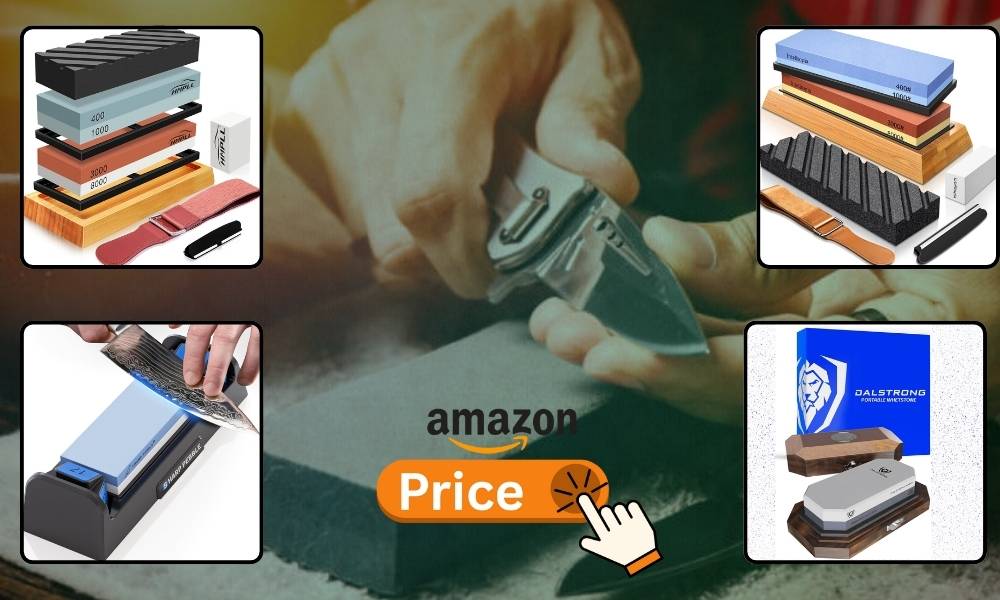
Yes, if you want a truly sharp edge, a whetstone is the way to go. Unlike a honing rod, which only realigns the blade, a whetstone actually removes metal to create a new cutting edge. I’ve used stones for years, especially when my knives felt too dull for tomatoes or onions. The first time I restored an old chef’s knife with a 1000/6000 grit stone, it felt like getting a brand-new knife back.
Whetstones do take more time and practice. As the independent sharpener in “Stones You Actually Need” pointed out, skill matters more than gear. But when you learn the basics of grit progression—coarse for repair, medium for sharpening, fine for polish—the results are hard to beat.
What I Like
- True sharpening power: With a proper grit setup (I use a 1000/6000 combo), I can bring even dull knives back to razor-sharp. Unlike rods, this is full edge renewal.
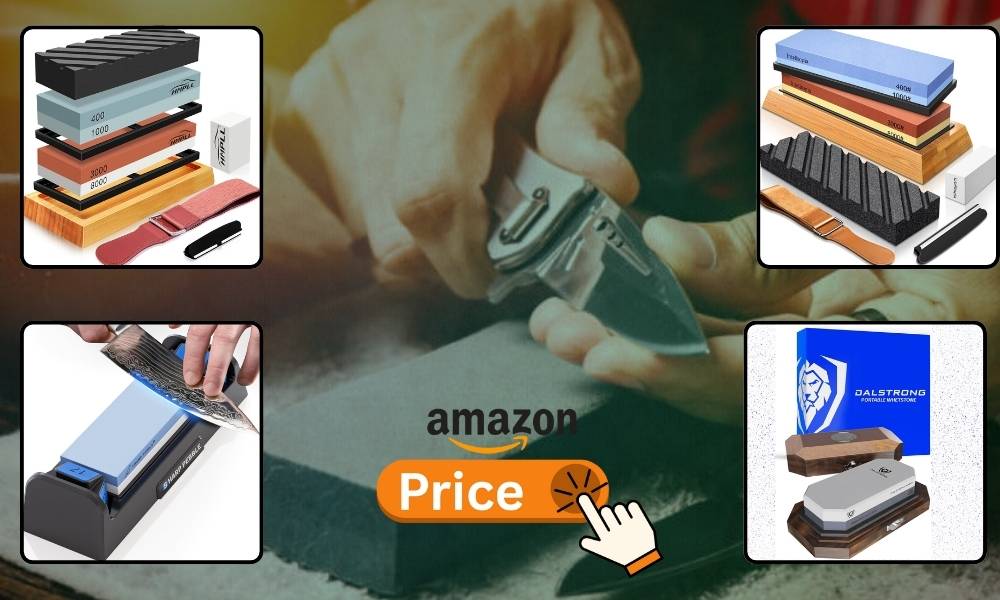
- Flexibility for different steels: Harder steels like Japanese VG-10 or powdered steels respond best on stones, especially ceramic or bonded diamond stones. The Shapton Kuromaku 2000 grit has been a favorite in my kitchen.
- Longevity and value: A good whetstone lasts years. Once you learn the angles, you don’t need to pay for professional sharpening as often. For a US home cook like me, that adds up over time.
What Could Be Better
- Learning curve: At first, it’s tricky to hold the right angle. My first tries left uneven edges. A guide or short tutorial would help beginners.
- Time investment: Honing takes seconds, but whetstone sharpening can take 15–20 minutes, especially if you’re repairing chips.
- Maintenance needs: Stones must be soaked, flattened, and cared for. If you skip this, they dish out and stop working well.
Recommendation
If you’re a US home cook who cooks often and values precision, a whetstone is worth the effort. I recommend starting with a dual diamond plate (325/1200 grit) for durability and easy maintenance. Then add a ceramic finishing stone like the Shapton Kuromaku 2000 grit for polish. This setup covers everyday kitchen needs without going overboard.
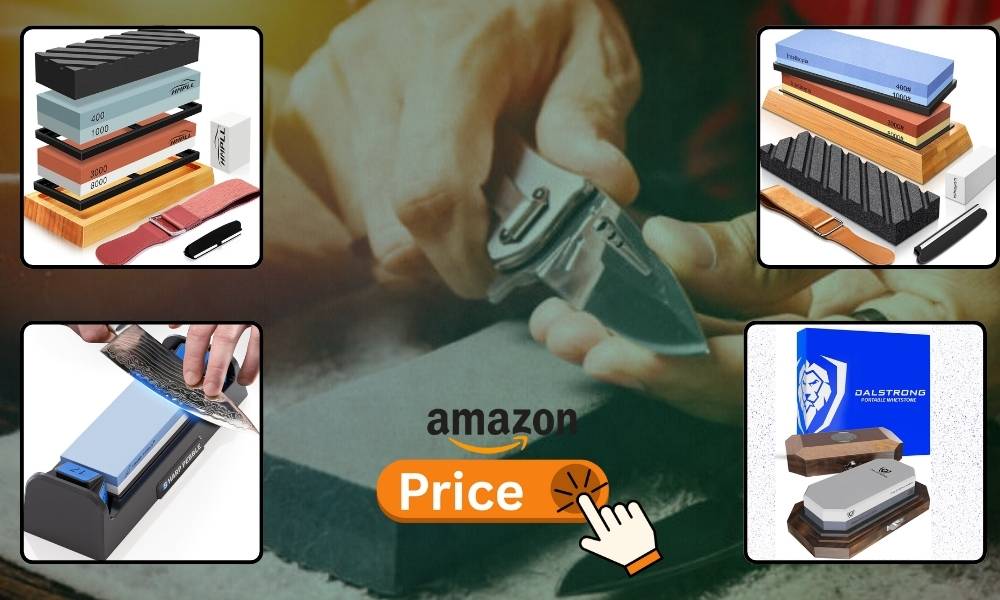
But if you only cook once or twice a week or don’t want to spend time learning technique, you might find a honing rod or pull-through sharpener more practical. Whetstones reward patience—so they’re best for people who enjoy cooking and want control over their tools.
For me, a whetstone has been the best way to keep knives truly sharp. It takes practice, but the payoff is a cleaner cut, safer prep, and knives that feel like they belong in a pro kitchen.
Still Confused? Which whetstone will good? Check Out Sharp Pebble 1000/6000 In-Depth Review
Honing Rod vs Whetstone: My Personal Comparison
I’ve spent years using both honing rods and whetstones in my kitchen. Each tool serves a different purpose, but together they can change how your knives perform. Here’s how they compare based on what I’ve actually seen and felt while cooking at home.
Sharpness Results
When my knife feels dull, a whetstone always brings it back to life. I still remember the first time I used a 1000/6000 stone—my old chef’s knife felt brand new. A honing rod, on the other hand, doesn’t sharpen. It just realigns the edge so the knife feels steady for daily use.
| Attribute | Honing Rod | Whetstone |
| What it does | Realigns the blade edge | Sharpens and renews edge |
| Speed | Quick, just a few swipes | Slower, 15–20 minutes |
| Result | Keeps edge feeling sharp | Restores a true sharp edge |
Winner: Whetstone — it gives a real sharp edge that feels like new.
Rating: 4.9/5
Ease of Use
The honing rod wins here for me. I just grab it, give a few swipes, and I’m ready to slice tomatoes without slipping. Whetstones take practice. My first tries were rough, and I made uneven edges. With time, I got better, but it’s not instant.
| Attribute | Honing Rod | Whetstone |
| Learning curve | Very low | Higher, needs practice |
| Setup | None, just pick up and use | Soak or prep stone |
| Time | Seconds | Up to 20 minutes |
Winner: Honing Rod — fast and foolproof for daily cooking.
Rating: 4.7/5
Maintenance
A honing rod is simple. I’ve had mine for years, and it still works the same. Whetstones, though, need care. They wear down and must be flattened. If you skip it, they stop working well. That’s extra work compared to a rod.
| Attribute | Honing Rod | Whetstone |
| Care needs | Almost none | Must flatten and soak |
| Durability | Very long-lasting | Wears with use |
| Effort level | Minimal | High |
Winner: Honing Rod — zero fuss and built to last.
Rating: 4.8/5
Safety and Control
I feel safer using a longer honing rod because it keeps my hand clear of the blade. With stones, I need more focus since the blade is in contact with the surface. Once you learn, it’s fine, but I’ve nicked a finger before when rushing on a whetstone.
| Attribute | Honing Rod | Whetstone |
| Safety | Very safe when held right | Needs focus |
| Control | Easy with 12-inch rod | Depends on skill |
| Risk of slips | Low | Higher at first |
Winner: Honing Rod — safer and more forgiving for home cooks.
Rating: 4.6/5
Long-Term Value
For me, whetstones win here because they save money over time. Once you learn, you don’t need pro sharpening often. They also bring back knives that feel gone. But rods stretch the life of sharp knives and cost less upfront. In truth, both tools together give the best value.
| Attribute | Honing Rod | Whetstone |
| Lifespan | Very long | Years if cared for |
| Savings | Keeps knives sharp longer | Cuts down pro sharpening |
| Versatility | Only maintains edge | Sharpens, repairs, polishes |
Winner: Whetstone — more power, more savings over years.
Rating: 4.9/5
Final Thoughts
If you cook most nights and want a tool that makes meal prep smoother, a honing rod is a steady companion. But if you care about getting that razor-sharp edge back, a whetstone is the better choice. In my kitchen, I reach for the rod when I need speed and the stone when I want precision. Both have their place, and together they’ve saved me from the frustration of dull knives more times than I can count.
If Your Blades Dull, See Our Beginner Guide, How to Sharpen a Japanese Knife with a Whetstone
FAQs
What is the difference between a honing rod and a whetstone?
A honing rod realigns the blade edge, while a whetstone sharpens by removing metal to restore a new edge.
Is a honing rod enough to keep my knives sharp?
A honing rod helps maintain sharpness day to day, but you still need a whetstone or pro sharpening when knives get dull.
Which is easier to use, honing rod or whetstone?
A honing rod is simple and quick, while a whetstone takes more skill and time but gives a sharper, longer-lasting edge.
How often should I use a honing rod?
You can hone your knives before or after each cooking session. It only takes a few swipes to keep the edge aligned.
Do whetstones work better on Japanese knives?
Yes, whetstones are ideal for Japanese steels like VG-10, which hold fine edges that respond well to sharpening stones.
Can a diamond honing rod replace a whetstone?
Diamond rods cut fast but remove too much steel. They don’t replace whetstones, which give better control and polish.
What grit whetstone is best for kitchen knives?
A 1000/6000 combo is the most common setup. The lower grit sharpens, and the higher grit polishes for smooth cuts.
Should beginners start with a honing rod or whetstone?
Beginners usually find a honing rod easier. Whetstones give the best results but need practice to hold angles well.
Do professional chefs use honing rods or whetstones?
Chefs use both. They hone daily for upkeep and sharpen on whetstones every few weeks to restore a razor edge.
Which lasts longer, a honing rod or whetstone?
A honing rod lasts for years with little care. Whetstones also last long but need flattening and more maintenance.


