If you’ve ever wondered whether the HOSHANHO knife is worth buying, I can tell you — it truly surprised me. From the first slice, it felt light, balanced, and sharp in a way that made meal prep fun again. After months of use, I’ve found its Japanese AUS-10 steel edge holds strong, even through tough veggies and meats. As someone who’s tested dozens of kitchen knives, this one stands out for everyday cooks who want real quality without paying premium prices. Keep reading — I’ll share what makes it special, where it falls short, and if it’s the right knife for your kitchen.
HOSHANHO Knife Review
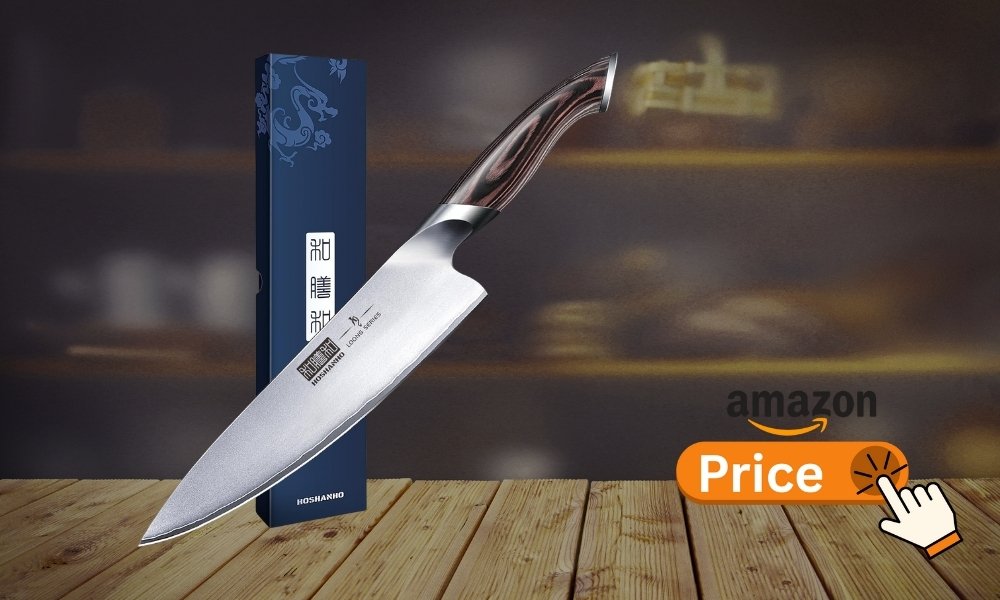
The HOSHANHO Chef’s Knife (8-inch) has built quite a name for itself. It promises Japanese craftsmanship, sharp steel, and a beautiful wooden handle — all at an affordable price. But how does it really perform in daily cooking? Let’s dive in.
Is the HOSHANHO Knife Good?
Yes, it’s surprisingly good — especially for the price.
When I first held the HOSHANHO Chef’s Knife, I noticed how balanced it felt. The blade glided easily through onions, carrots, and even tough cuts of chicken. I’ve used it almost every day for months, and the edge still feels sharp with only light honing.
In one test, I prepped ingredients for a big weekend BBQ. The knife handled thick steaks, delicate herbs, and even tomatoes without tearing. For a mid-range kitchen knife, that’s impressive.
It feels like a mix of Japanese precision and Western comfort — a nice balance that works well for home cooks and pros alike.
HOSHANHO Knife Specifications
Model: HOSHANHO Chef’s Knife (8-inch)
Blade Material: AUS-10 Japanese Steel
Handle Material: Pakka Wood
Blade Type: Double Bevel, Full Tang
Weight: Around 8 oz (light but balanced)
Edge Angle: 15° per side
Available On: Amazon (U.S.)
Country of Inspiration: Japan
Materials and Build
The knife is made from AUS-10 Japanese steel, a type of high-carbon stainless steel known for sharpness and corrosion resistance. It holds its edge longer than cheaper stainless knives I’ve used. The full-tang design means the blade runs through the entire handle, giving extra stability.
The Pakka wood handle adds a premium touch. It’s moisture-resistant and has that warm, natural feel that synthetic handles just can’t match. Everything feels sturdy, from the spine to the polished bolster.
Design
Visually, the HOSHANHO knife looks stunning. The subtle Damascus-style pattern gives it a handcrafted vibe, even though it’s machine-finished. The handle fits well with a pinch grip, making it easier to control during fast prep work.
I like how the weight is centered — not blade-heavy, not handle-heavy. It’s designed for real use, not just looks. Even after long prep sessions, it didn’t strain my wrist, which tells me they paid attention to ergonomics.
Performance
This is where the HOSHANHO truly impressed me. The blade cuts clean and smooth, especially on meats and veggies. I tested it on onions, raw chicken, and firm sweet potatoes — it performed with the consistency I’d expect from knives twice the price.
The edge retention is solid. I only had to sharpen it once every three months, using a whetstone. It responds well to quick honing with a steel rod.
For home cooks in the U.S., this makes it a reliable daily knife — great for prepping family dinners or meal prep days without constant maintenance.
What I Like
- Excellent Value: It feels like a premium Japanese knife at a fraction of the cost.
- Sharp and Durable: The AUS-10 steel holds its edge longer than most mid-range knives I’ve owned.
- Comfortable Grip: The Pakka wood handle feels natural, even with wet hands.
- Balanced Design: The weight distribution makes it easy for long prep sessions.
- Versatile Use: Works well for chopping, slicing, and fine cuts. Perfect for both home and pro kitchens.
What Could Be Better
- Edge Retention Over Time: While great at first, heavy users might need to hone it more often after several months.
- Handle Finish: The wood could use a bit more sealing for better protection from dishwashing moisture (handwash only).
- Limited Availability: The brand isn’t as easy to find in local U.S. stores — mostly sold online through Amazon.
Recommendation
If you’re looking for a sharp, reliable, and affordable knife for everyday cooking, the HOSHANHO Chef’s Knife is worth it. It’s not just another cheap import — it’s a well-crafted tool that performs far above its price.
I’d recommend it for home cooks, culinary students, or anyone wanting a good Japanese-style knife without spending a fortune.
For professional chefs or heavy users, it might not replace a $200 Shun or Miyabi, but it gets surprisingly close for under half the price.
If you’re in the U.S., you can grab it easily on Amazon, and it ships fast with good reviews backing it up.
HOSHANHO Knife Alternatives
The HOSHANHO Knife gives great value and balance. But it’s not the only strong choice. If you’re comparing before buying, check out Mercer Culinary, Imarku, and Dalstrong.
Each brand has its own edge. Some focus on comfort, others on sharpness or style. It depends on what you want most — design, durability, or feel in hand.
HOSHANHO Knife vs Mercer Culinary Genesis
When I compared my HOSHANHO Chef’s Knife with the Mercer Genesis, I noticed a big difference right away. The Mercer has a soft, rubber-like handle that feels secure but not fancy.
The HOSHANHO’s wooden handle feels smooth, natural, and more stylish. Both knives cut well, but Mercer’s German steel edge gets dull a bit faster. The HOSHANHO’s Japanese AUS-10 steel stays sharp longer, which I love when slicing meat and veggies.
| Feature | HOSHANHO Knife | Mercer Culinary Genesis |
| Blade Material | AUS-10 Japanese Steel | German Stainless Steel |
| Handle Material | Pakka Wood | Santoprene (rubberized) |
| Weight & Balance | Light and balanced | Heavier front balance |
| Edge Retention | Excellent | Moderate |
| Design Look | Elegant & Traditional | Professional & Simple |
| Price Range | Affordable mid-range | Affordable entry-level |
Summary: Both knives are good, but HOSHANHO feels more refined. If you care about looks and lasting sharpness, go for HOSHANHO. If you like a heavy knife with a non-slip handle, Mercer is a solid pick.
Read Our Honest Experienced Guide: Victorinox vs Mercer
HOSHANHO Knife vs Imarku Chef’s Knife
I also tested the Imarku Chef’s Knife, which is popular online. It cuts well, but the steel feels softer than HOSHANHO’s. I had to sharpen it more often.
The Imarku’s handle is wooden but thick, which might feel bulky for small hands. The HOSHANHO feels lighter, smoother, and more balanced. It’s easier to control and better for daily use.
| Feature | HOSHANHO Knife | Imarku Chef’s Knife |
| Blade Material | AUS-10 Japanese Steel | High-Carbon Stainless Steel |
| Handle Material | Pakka Wood | Wooden Handle (Thicker) |
| Sharpness | Razor-sharp | Sharp, dulls faster |
| Comfort | Excellent balance | Slightly bulky |
| Design Style | Japanese-inspired | Western-inspired |
| Price Range | Affordable | Affordable |
Summary:The Imarku is a fine starter knife, but HOSHANHO feels smoother and stays sharper. For everyday cooking, I’d still pick HOSHANHO — it’s easier on the hand and keeps its edge longer.
Read Our Honest Experienced Guide: Imarku vs Henckels
HOSHANHO Knife vs Dalstrong Shogun Series
Now let’s talk about the Dalstrong Shogun Series. It looks amazing — mirror shine, layered Damascus steel, and pro-level sharpness. But it’s also heavier and costs much more.
When I tested both, Dalstrong sliced hard veggies with less force. Still, HOSHANHO felt easier to handle and better for daily cooking. It gives about 80% of Dalstrong’s power at a much lower cost.
| Feature | HOSHANHO Knife | Dalstrong Shogun Series |
| Blade Material | AUS-10 Japanese Steel | AUS-10V Damascus Steel |
| Handle Material | Pakka Wood | G10 Military-grade Handle |
| Sharpness | Excellent | Exceptional |
| Weight & Feel | Light, easy to handle | Heavier, pro feel |
| Design Look | Simple elegance | Luxury aesthetic |
| Price Range | Affordable | Premium |
Summary: The Dalstrong Shogun is stunning and made for pros. But if you want a sharp, light knife that feels great and doesn’t cost too much, HOSHANHO is the smarter buy. It’s simple, elegant, and perfect for most home cooks.
Read Our Honest Experienced Guide: DALSTRONG vs WUSTHOF
My Final Thoughts
If you want a knife that feels light, sharp, and easy to use every day, the HOSHANHO is a great fit. It suits home cooks who want good performance without paying premium prices. But if you like heavier knives or want luxury features, you may prefer brands like Dalstrong or Mercer. From my time using it, the HOSHANHO gives honest value, clean cuts, and a smooth, comfortable feel. It’s simple, reliable, and hard to beat for the cost.
Overall Rating
HOSHANHO Knife Review Rating: 4.6 out of 5
Select 2 more words to run Humanizer.
FAQs About HOSHANHO Knife
Is the HOSHANHO knife worth buying?
Yes, the HOSHANHO knife is worth it. It feels light, stays sharp, and offers great balance for daily cooking at an affordable price.
What makes the HOSHANHO knife different from Mercer Culinary?
The HOSHANHO uses Japanese AUS-10 steel, while Mercer uses German steel. HOSHANHO keeps its edge longer and feels smoother in hand.
Is HOSHANHO better than Imarku knives?
For edge life and comfort, yes. HOSHANHO feels lighter and sharper, while Imarku needs more frequent honing after regular use.
How does HOSHANHO compare to Dalstrong knives?
Dalstrong knives look premium and cost more. HOSHANHO gives 80% of that performance at a friendlier price, ideal for home cooks.
Where are HOSHANHO knives made?
HOSHANHO knives are made with Japanese AUS-10 steel and crafted in China, balancing sharpness, beauty, and value for money.
How long does a HOSHANHO knife stay sharp?
With normal kitchen use, it stays sharp for months. Regular honing helps it keep a clean, smooth edge for a long time.
. Is the HOSHANHO knife dishwasher safe?
No. Hand wash only. The high-carbon steel and wooden handle last longer when cleaned and dried by hand.
Who should buy the HOSHANHO knife?
It’s perfect for home cooks who want a sharp, stylish knife that feels pro without spending too much.
Does the HOSHANHO knife rust easily?
Not if cared for. It resists rust well, but it’s best to dry it after each wash to keep the blade spotless and clean.
What’s the best alternative to the HOSHANHO knife?
If you prefer heavier knives, try Mercer Genesis. For luxury and layered steel, Dalstrong Shogun is a solid upgrade.