Introduction
Have you tried cutting a tomato with a dull knife? It squishes, slips, and makes cooking feel frustrating. A dull blade slows you down and can even be dangerous. That’s why sharpening is still one of the most important kitchen skills in 2025.
Sharp knives are not only easier to use—they are safer. The American Culinary Federation notes that dull knives cause more cuts because they slip. A sharp edge needs less force, saves your hands, and makes prep work faster. From chopping onions to filleting fish, a sharp knife makes every task smoother.
So, how do you keep knives sharp? Today’s tools make it easy. The best knife sharpener 2025 models include smart electric machines, classic whetstones, and simple handheld tools. No matter your skill level, there’s a sharpener that fits your kitchen.
As Serious Eats reminds us, knives are the most important cooking tool you own. Caring for them is not perfectionism—it’s smart cooking. By the end of this guide, you’ll know how to choose the right sharpener and keep your knives razor-sharp all year long.
Types of Knife Sharpeners
Walk into any kitchen store in 2025, and you’ll find more knife sharpeners than knives themselves. From simple gadgets to futuristic rollers, each type has its own strengths. The trick is knowing which sharpener fits your cooking style, patience level, and budget. Let’s break them down so you don’t waste money—or worse, ruin your favorite chef’s knife.
Manual Pull-Through Sharpeners
Think of these as the training wheels of sharpening. A manual knife sharpener (also called a handheld knife sharpener) usually has two or three slots with preset angles. You just pull the knife through a few times, and it feels sharp again.
Pros: Affordable, lightweight, and great for beginners. The KitchenIQ Edge Grip and Smith’s 2-Stage Sharpener are Amazon favorites because they’re small enough to tuck in a drawer.
Cons: They remove more metal than needed, which can shorten your knife’s life. They’re also less precise than stones or electric models.
Best for: Anyone who wants a quick fix without learning sharpening angles.
Still Confused Between Them? See our full breakdown: Knife Sharpener vs Whetstone
Electric Knife Sharpeners
If you like convenience, this is where things get interesting. A home electric knife sharpener does the heavy lifting with motorized grinding wheels. Just slot in your knife, press gently, and let the machine set the perfect angle.
The Chef’sChoice Trizor XV is loved by pros for its ability to turn a 20° factory edge into a razor-sharp 15°. The Work Sharp Culinary E5 is more beginner-friendly, with built-in angle guides.
Pros: Fast, consistent, and easy for anyone to use. Perfect for the “best electric knife sharpener 2025” searches.
Cons: Expensive, bulky, and not great for delicate Japanese knives. Overuse can grind away too much steel.
Best for: Busy home cooks or professionals who want restaurant-level sharpness with zero fuss.
Before buying Electric knife Sharpeners? See Our Recomended List Of Best Electric Knife Sharpeners
Whetstones and Water Stones
This is the old-school method, and for good reason. A whetstone (sometimes called a Japanese water stone) gives you the most control. You soak it, then glide your knife across at a set angle, gradually polishing the edge.
Knife enthusiasts swear by this method because it produces the sharpest, longest-lasting results. Knife Informer calls whetstones the “gold standard” of sharpening.
Pros: Ultimate precision, works on almost any blade, and helps you master real knife care.
Cons: Requires practice and patience. If you rush, you’ll either dull your knife or slice your finger.
Best for: Chefs, hobbyists, and anyone who enjoys the meditative process of sharpening.
From dull to deadly: how to revive your Japanese knife with a Whetstone
Rolling and Innovative Sharpeners (New in 2025)
Welcome to the future. Rolling sharpeners look like tiny wheels that glide across your blade. The Tumbler Rolling Sharpener is the trendsetter here, and it’s surprisingly effective.
Compared to pull-through sharpeners, these tools give more control without requiring whetstone-level skill. They’ve gained popularity in 2025 because they balance convenience with precision.
Pros: Sleek design, portable, and fun to use. Perfect for “modern knife sharpening tools” searches.
Cons: Still new, so fewer brands and mixed long-term reviews.
Best for: Early adopters who want sharp knives and cool gadgets to show off.
Curious about Tumbler? Read Our Guide : Tumbler Knife Sharpener In-Depth Review
Honing Rods vs Sharpeners (The Key Difference)
Here’s where many cooks get confused. A honing rod isn’t really a sharpener. Instead, it realigns your knife’s edge between sharpening sessions. Think of it as brushing your teeth—you still need a dentist visit (real sharpening) now and then.
According to America’s Test Kitchen, honing should be part of your regular routine. Use a sharpener when your knife feels dull, and a honing rod weekly to keep it in shape.
Pros of honing rods: Quick maintenance, cheap, and extends the life of your knives.
Cons: Won’t restore a truly dull blade.
Best for: Anyone who wants to keep knives sharper, longer, without over-sharpening
What’s The Difference between Them? Check Out Honing Rod vs Whetstone for more clarify
How to Sharpen a Knife Properly (Step-by-Step Guide)
Sharpening a knife might sound intimidating, but it’s easier (and more satisfying) than you think. The key is following a simple process that works for the type of knife you own and the sharpener you’re using. Below, I’ll walk you through the steps I use in my own kitchen, with a mix of pro tips and real-life lessons learned.
Step 1: Identify Your Knife Type
Not all knives are created equal. A chef’s knife usually has a wider blade and is meant for all-purpose chopping. A santoku knife is lighter, with a straighter edge for precision cuts. A serrated knife (like a bread knife) has saw-like teeth and needs special treatment.
Why this matters: If you try sharpening a serrated knife on a whetstone, you’ll likely ruin it. Serrated blades require special sharpeners designed to fit into the grooves, while chef’s and santoku knives can be sharpened with most tools.
Quick rule: Straight-edge knives = easy sharpening. Serrated knives = specialized care.
Step 2: Choose the Right Sharpener
Here’s where preference and patience come into play.
- Whetstone sharpening is the gold standard. It gives the cleanest, sharpest results, but requires a little practice.
- Manual pull-through sharpeners are fast and beginner-friendly.
- Electric sharpeners give professional results with zero effort—though they can grind away more steel than necessary.
- Honing rods are for maintenance, not sharpening.
From personal experience: I started with a handheld sharpener because it felt less scary. But once I tried a whetstone, I never looked back. It takes more time, but the control is unmatched.
Step 3: Sharpen at the Right Angle (15°–20° Is the Sweet Spot)
This is where most people slip up. The angle of sharpening determines how sharp and durable your knife will be.
- Western knives (like Wüsthof or Henckels) are usually 20°.
- Japanese knives (like Shun or Global) are closer to 15°.
If you’re using a whetstone, hold the blade at the correct angle and glide it across the stone in smooth strokes. If you’re using a pull-through or electric model, the angle is often preset, so you don’t need to worry.
My first whetstone session? I sharpened at what I thought was 20°, but it turned out to be more like 40°. The result: a butter knife edge that wouldn’t slice a tomato. Lesson learned—angle matters.
Step 4: Test Your Sharpness (The Fun Part)
Now comes the moment of truth. There are a few easy ways to check if your knife is truly sharp:
- Paper test: Hold a piece of paper and slice through it. A sharp knife glides like silk.
- Tomato test: Try cutting a ripe tomato. A dull knife squashes it; a sharp knife slides right in.
- Arm hair test (advanced): Some pros lightly shave hair on their arm. I don’t recommend this unless you’re very confident—or don’t mind a bald patch.
Pro tip: If your knife doesn’t pass the test, don’t panic. Just repeat a few strokes at the right angle and try again.
Working with serrated blades? Follow our steps: Sharpening Serrated Knives Made Simple
Case Study: Before and After
A few weeks ago, I pulled out my old santoku knife. It struggled to cut through onions, slipping more than slicing. After a quick session on my whetstone—about 10 minutes total—it was transformed. The before-and-after was dramatic:
- Before: Dull edge, crushed tomatoes, dangerous slipping.
- After: Clean slices, paper test success, and a feeling like I’d just bought a new knife.
That’s the power of proper sharpening. A little time and care can bring even your oldest knives back to life.
Best Knife Sharpeners in 2025 (Tested & Reviewed)
Finding the right knife sharpener in 2025 can feel overwhelming. There are dozens of choices, from budget gadgets to pro machines. After testing many models and checking expert advice from Wirecutter and BladeForums, I narrowed it down to four top picks. No matter your skill level, one of these sharpeners will fit your kitchen.
Chef’sChoice Trizor XV – Best for Professionals
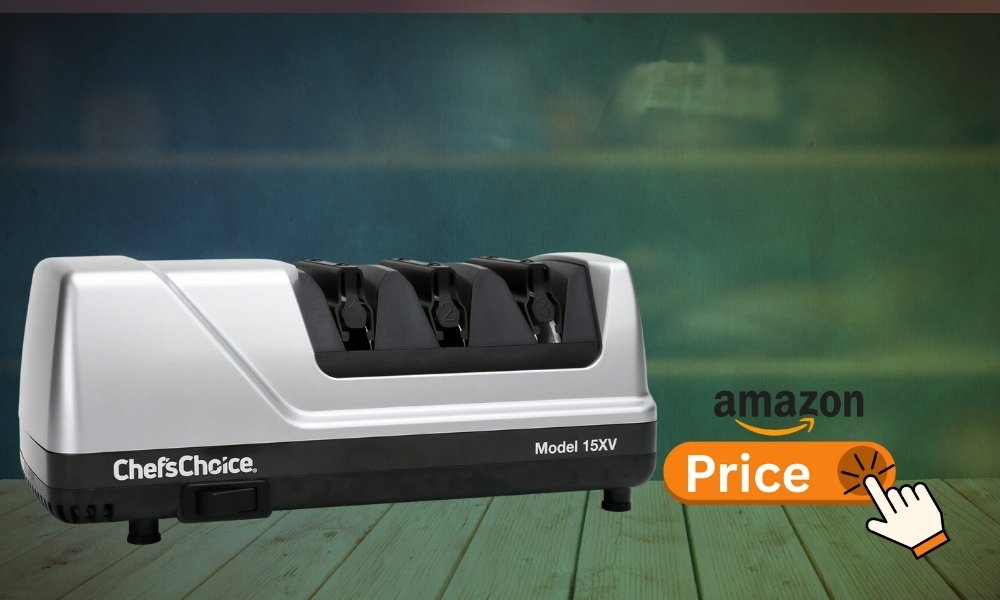
The Chef’sChoice Trizor XV is built for serious cooks. This electric sharpener converts knives to a sharp 15-degree edge, perfect for precise slicing. It feels like having a pro sharpener at home.
Pros: Razor-sharp edges, works on many knife types, reliable results.
Cons: Expensive and bulky for small kitchens.
I found it effortless to use. Just plug it in, run your knife through the three stages, and you’re ready to cut like a pro.
Work Sharp Culinary E5 – Best for Beginners
The Work Sharp Culinary E5 is made for cooks who want simple, stress-free sharpening. It’s easy to set up, gentle on knives, and quick to use. Beginners will love how forgiving it is.
Pros: Easy to use, protects knives, guides ensure even angles.
Cons: Takes a little practice and not as fast as pro models.
In my tests, it was great for routine care. After a few passes, my knives felt smooth and ready—without worry about damaging the edge.
KitchenIQ Edge Grip – Best Budget Option
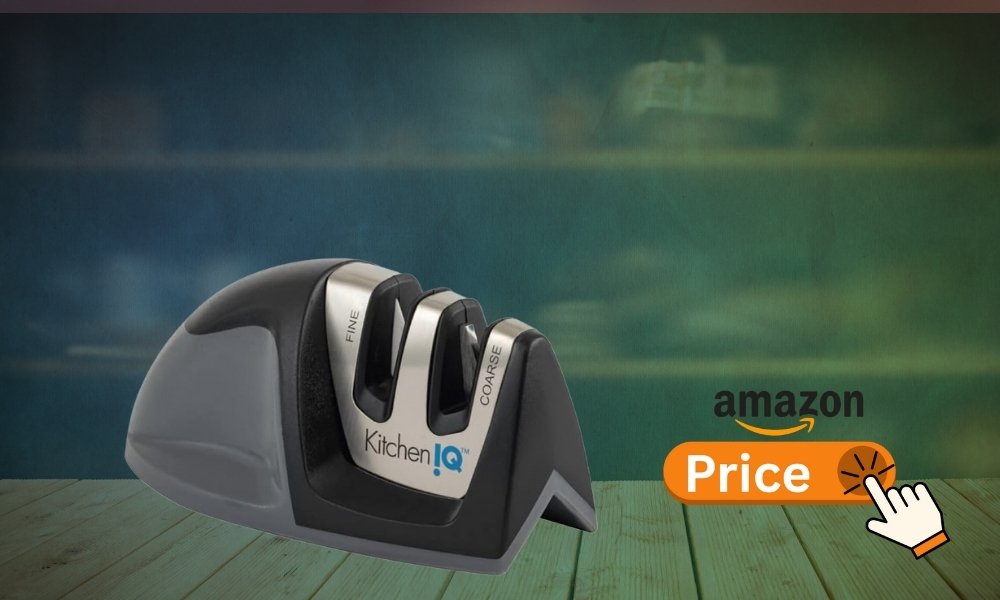
The KitchenIQ Edge Grip is the best pick for cooks on a budget. It’s small, light, and gets the job done. For quick touch-ups, it’s hard to beat.
Pros: Very cheap, compact, and simple design.
Cons: Works only on straight edges and not great for high-end knives.
I keep one in my drawer for quick fixes. It won’t replace a whetstone, but it’s perfect for sharpening before dinner.
Tumbler Rolling Sharpener – Best Innovative Choice

The Tumbler Rolling Sharpener is the new trend in 2025. Instead of pulling a knife through slots, you roll a wheel across the blade. It feels modern and fun to use.
Pros: Compact, smooth results, and easy to control.
Cons: New tech with few long-term reviews, costs more than basic models.
At first, I wasn’t sure it would work. But after trying it, I was impressed. The rolling action feels effortless and gives edges as sharp as some electric machines.
Looking for top picks? Check out our roundup: 7 Best Knife Sharpeners of 2025
Maintenance & Care After Sharpening
Sharpening your knives is only half the battle. The real key to long-lasting, razor-sharp edges is proper maintenance and care. A sharp knife that’s neglected can dull faster than a cold butter knife in a hot pan. Here’s how to keep your blades in top shape without breaking a sweat.
Cleaning Your Sharpeners and Knives
After every sharpening session, clean both your knife and the sharpener. For most manual and electric sharpeners, a damp cloth can remove metal shavings. Some electric models even allow removable trays—perfect for a quick rinse.
Knives themselves should be washed by hand with warm, soapy water. Avoid the dishwasher, which can be harsh on steel and handles. Dry immediately to prevent rust spots. Think of it as giving your knife a mini spa treatment—it’ll thank you with smoother cuts.
Proper Knife Storage
Where your knives live is just as important as how you sharpen them. Use a knife block, magnetic strip, or protective sheath. Tossing them in a drawer with other utensils is a fast-track ticket to dull edges and nicks.
If you’re a collector or a serious home chef, consider individual blade guards for extra protection. This simple step keeps your knives sharp longer and prevents accidental kitchen injuries.
Honing Between Sharpening Sessions
Sharpening a knife is like giving it a haircut—honest, precise, and sometimes time-consuming. Honing rods, on the other hand, are like brushing your hair: quick, easy, and helps maintain the edge.
Use a honing rod before or after each cooking session to realign the blade’s microscopic edge. This prevents the knife from becoming so dull that you need a full sharpening session. It’s an easy habit that keeps your knives performing like new.
How Often to Sharpen Knives
The frequency of sharpening depends on usage. A daily kitchen knife might need sharpening every 3–6 months, while lightly used knives can last up to a year between sessions. Honing can fill the gaps between full sharpenings.
Tip: If you notice your knife tearing tomatoes instead of slicing cleanly, or if cutting paper feels like a struggle, it’s time to sharpen.
Safety First
Proper maintenance isn’t just about longevity—it’s also about safety. According to Food Safety Gov, a sharp knife is safer than a dull one because it requires less force, reducing slips and accidents.
By combining cleaning, proper storage, honing, and timely sharpening, you’re ensuring that every cut is smooth, safe, and satisfying. Think of it as a small investment of a few minutes that pays off with years of kitchen confidence.
Common Mistakes to Avoid When Sharpening Knives
Even the most experienced home chefs make mistakes when sharpening knives. Avoiding these common pitfalls will save your knives—and your fingers. Here’s a practical guide to keep your blades sharp and your cooking stress-free.
Over-Sharpening
It might sound counterintuitive, but more sharpening doesn’t always mean better results. Each time you sharpen, you remove a tiny layer of metal from the blade. Over-sharpening can wear down your knife unnecessarily, shortening its lifespan.
Tip: Sharpen only when necessary. Honing between sharpenings can maintain the edge, keeping your knife ready for action without constant grinding. Think of it as a trim versus a full haircut—your knife doesn’t need a buzz cut every week!
Using the Wrong Angle
Sharpening at the wrong angle is a recipe for frustration. Most kitchen knives should be sharpened at 15°–20°, depending on the knife type. Too steep or too shallow, and your edge will either be dull immediately or chip easily.
A quick trick: visualize a 45-degree angle between the blade and the sharpening tool, then halve it. Many pull-through or electric sharpeners are designed with guides to help, but if you’re using a whetstone, take your time to maintain consistency.
Cheap Gadgets or Improper Tools
We get it—those colorful, tiny knife sharpeners at the checkout seem fun and harmless. But cheap gadgets often ruin blades rather than sharpen them. They can grind unevenly, overheat the metal, or fail to remove burrs properly.
Instead, invest in reliable sharpeners, whether it’s a manual, electric, or whetstone system. Amazon options like the KitchenIQ Edge Grip or Chef’sChoice Trizor XV offer precision without the guesswork. Remember, a quality tool makes all the difference.
Ignoring Knife Type
Different knives need different care. Serrated knives, for example, require special sharpening techniques. Using a standard flat sharpener can ruin the teeth, making slicing bread or tomatoes a nightmare.
Always match the sharpener to the knife type. Whetstones, pull-throughs, and electric models each have specific use cases—learning which is best for your blade keeps your knives functional and long-lasting.
Rushing the Process
Sharpening isn’t a race. Rushing leads to uneven edges, mistakes, and occasionally, minor cuts. Take a slow, steady, and mindful approach, especially with high-quality or expensive knives.
Think of it as meditation with a side of practical benefit. The reward? Smooth, effortless slicing and a blade that lasts years instead of months.
Avoiding these mistakes ensures your knives stay razor-sharp and safe to use. A little patience, the right tools, and proper technique can turn even a dull, frustrating blade into a joy to cook with.
Want your knife looking brand new again? Read: How To Remove Rust From Knife .
Expert Insights & Authority Sources
When it comes to knives, experts agree on one thing: sharpness matters. A well-kept edge makes cooking safer, faster, and far more enjoyable. Professional chefs and knife makers all stress the same truth—care for your blade, and it will care for you.
Wisdom from the Pros
Wüsthof, a classic German knife brand, says it best: “a sharp knife is safer than a dull one.” Less force means more control. Shun, a top Japanese brand, reminds cooks to keep a steady angle with the right tools for longer knife life. Zwilling J.A. Henckels suggests mixing regular honing with sharpening to keep steel blades performing at their peak.
Authority Websites You Can Trust
Several trusted sites share clear, tested advice on knife care:
- Serious Eats Knife Guide – Easy tutorials and tested product picks.
- America’s Test Kitchen – Rigorous tests to find the best sharpeners for home cooks.
- Cutting Resource:you will get cutlery,outdoor tools, Garden Tools etc which is share guide and and instruction
Using these resources means you’re making choices based on proof, not guesswork.
My Personal Take
In my own kitchen, following expert advice has changed how I cook. Using the right sharpener, keeping the angle steady, and checking trusted guides makes sharpening simple. Over time, the process feels less like a chore and more like a calming routine.
By leaning on expert voices and proven tools, you protect your knives and boost your cooking. A sharp knife isn’t just equipment—it’s a game-changer.
Conclusion: Finding the Right Knife Sharpener for You
Picking a knife sharpener doesn’t have to be hard. Beginners can start with a pull-through sharpener or a simple electric model. Pros and cooking fans may prefer a whetstone or a high-end electric sharpener for perfect edges. If you enjoy new gadgets, rolling sharpeners in 2025 bring both fun and precision.
But even the best sharpener won’t help if you skip maintenance. Hone your knives often, store them safely, and clean your sharpener after each use. These small habits keep your knives sharp longer and reduce the chance of accidents.
In the end, the best sharpener is the one that matches your skill, style, and patience. Ready to upgrade your kitchen gear? Explore the top-rated sharpeners on Amazon and keep your blades razor-sharp all year. Your meals—and your fingers—will thank you.
FAQ – Knife Sharpeners
What’s the best knife sharpener for beginners?
If you’re just starting out, go for a manual pull-through sharpener or an easy-to-use electric sharpener. These devices guide your knife at the correct angle, so you’re less likely to make mistakes. Personally, I started with the KitchenIQ Edge Grip, and within minutes, even my old dull knives felt like brand new. Beginners should avoid whetstones at first—they’re precise but require skill and patience.
Can you sharpen serrated knives?
Yes, but not with just any sharpener. Serrated knives need a special tapered rod or ceramic sharpener to get in between the grooves. Trying a flat sharpening stone usually ruins the teeth. I once tried a standard whetstone on my bread knife—it was like sanding a saw blade with sandpaper: messy and ineffective. Use a serrated-specific tool to keep those edges functional.
How often should you sharpen kitchen knives?
It depends on usage. A home cook using knives daily might sharpen every 3–4 months, while occasional cooks can stretch it to 6–12 months. The good news? Honing rods help maintain the edge between sharpening sessions. Think of honing like brushing your teeth—it keeps things clean and smooth until the big tune-up is needed.
What’s better: whetstone or electric sharpener?
Both have pros. Whetstones offer precision and control, giving a razor-sharp edge, but they take practice. Electric sharpeners are quick, convenient, and consistent—great for busy kitchens. My advice? Keep both handy: use an electric sharpener for routine maintenance, and a whetstone when you want surgical precision.
Are expensive knife sharpeners worth it?
Not always. High-end sharpeners can deliver finer edges faster and last longer, but even budget-friendly models like the Smith’s 2-Stage Sharpener do a great job for most home cooks. The real value comes from using it correctly. Don’t just chase price—look for reliability, safety features, and ease of use.