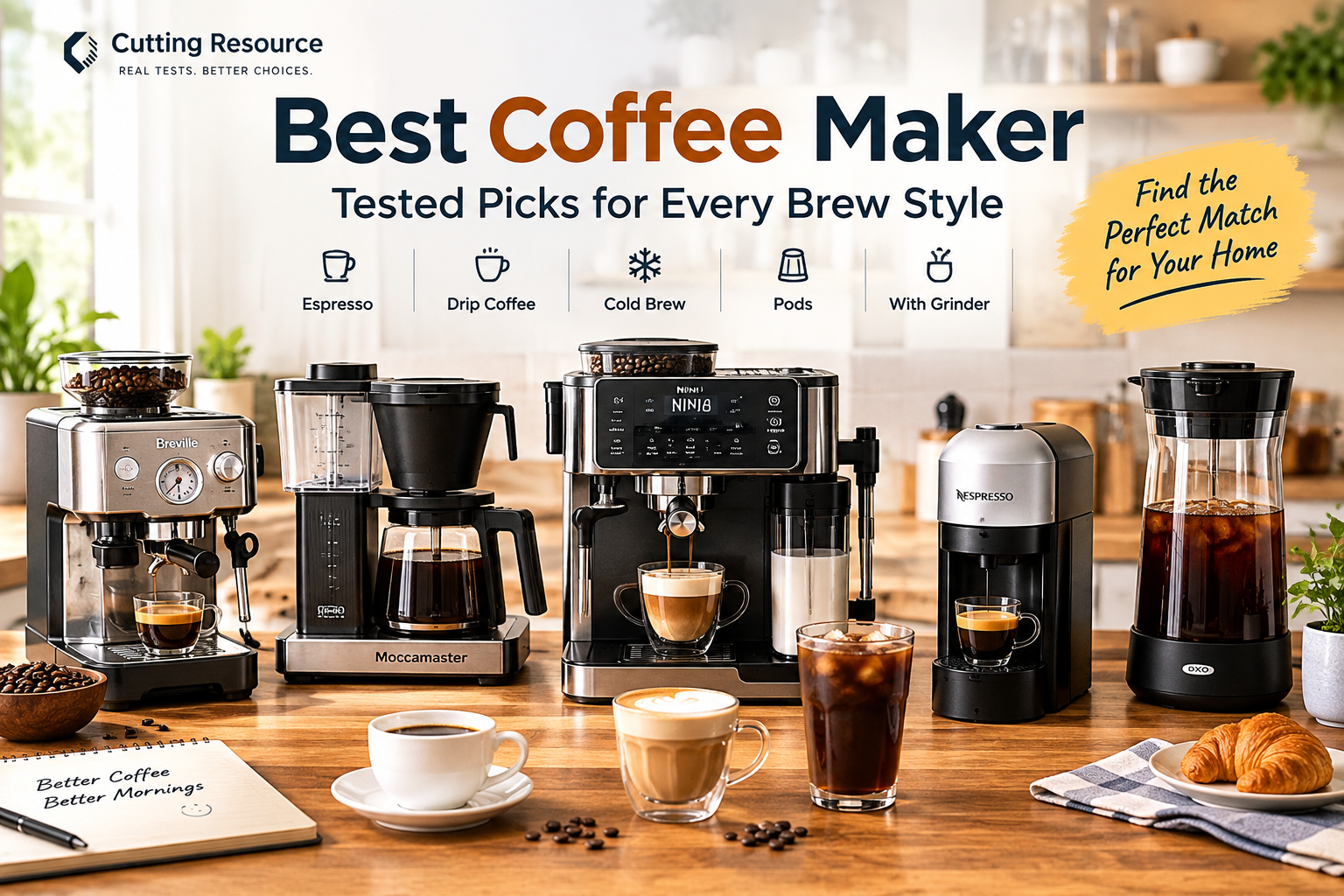
The best coffee maker for most homes is the Ninja Luxe Café Pro 701. It makes espresso, drip coffee, and cold brew. It has a grinder built in. One machine does all three jobs.
Want only espresso? Buy the Breville Bambino. It costs less than $300. Want only black coffee? Buy the Technivorm Moccamaster. It is the best drip coffee maker you can get.
That is the quick answer. Now here is the full one.
The best coffee maker for home use is not the same for everyone. It depends on how you drink your coffee. It depends on how much time you have. And it depends on your budget.
This guide covers every type. Espresso machines. Bean-to-cup machines. Drip makers. Pod machines. Simple hand brewers too. Pick the one that fits your day, not the one with the longest spec list.
How I Test Coffee Makers
I am a durability analyst. That means I look at how things last. Most coffee makers brew a good cup on day one. Far fewer still work well in year five.
I judge each machine on six things:
- Same cup each time. Does it brew the same on Monday as on Saturday?
- Steady heat. Heat swings are the top cause of bad espresso.
- Build. Is the frame real metal? Or is it just plastic that looks nice?
- Milk foam. How fast does it foam milk? Does it work with oat milk?
- Repair and warranty. Can you buy parts? Will the brand help you?
- Cleaning. A machine that is hard to clean is one you stop using.
Best Coffee Makers: Quick Look
| Machine | Best for | Price | Grinder built in? | Type |
| Ninja Luxe Café Pro 701 | Best overall | $600–$750 | Yes | Espresso, drip, cold brew |
| Breville Bambino | Best first espresso machine | $250–$300 | No | Semi-automatic |
| Casabrew Ultra | Best cheap espresso | $189–$200 | No | Semi-automatic |
| Gaggia Classic Evo Pro | Best high-end pick | $400–$499 | No | Semi-automatic |
| Breville Barista Express Impress | Best guided espresso | $650–$780 | Yes | Hybrid |
| Philips 5500 LatteGo | Best bean-to-cup | ~$899 | Yes | Fully automatic |
| De’Longhi Rivelia | Best for two bean types | $1,300–$1,444 | Yes | Fully automatic |
| Technivorm Moccamaster | Best drip coffee maker | $340–$360 | No | Drip |
| Nespresso Vertuo | Best pod machine | Varies | No | Pods |
Prices move a lot. Check before you buy
The Best Coffee Makers for Home Use
Best Overall: Ninja Luxe Café Pro 701
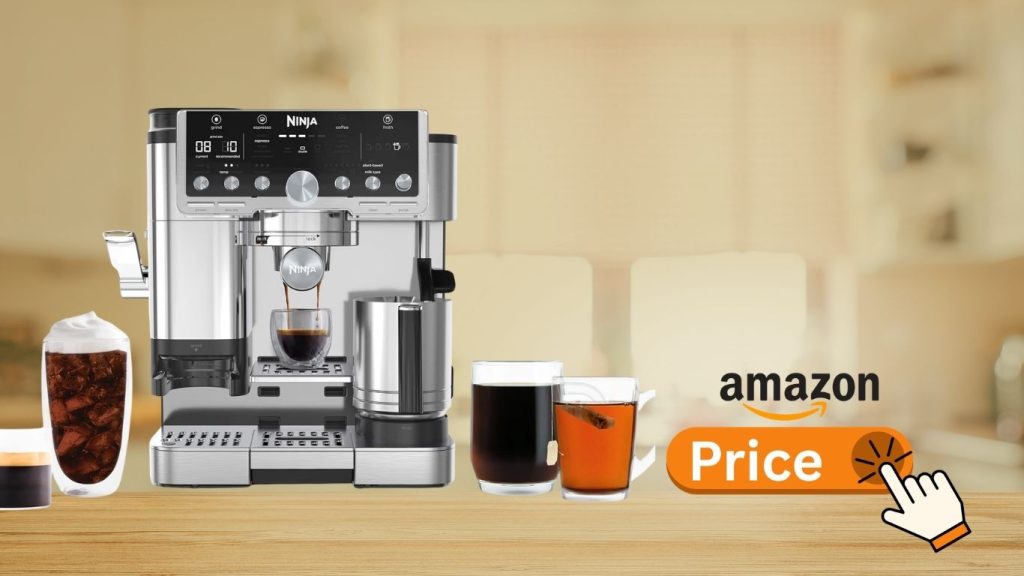
This is the best coffee maker for most homes. Ninja calls it a 3-in-1. That claim holds up.
It makes espresso. It makes drip coffee. It makes cold brew. It has a burr grinder with 25 settings. It also has a scale built in, so you can dose by weight.
The best part is the help it gives you. Barista Assist tells you what grind size to use. It tells you when to change it. That is the exact thing that stops new users from making good shots.
There is a tamper lever built in. So you do not need to buy a tamper. You do not need to learn to press evenly, either. The frother steams and whisks milk at the same time, hands free. Five presets cover milk and oat milk.
You get nine espresso styles. Four coffee styles. Seven drink sizes. Five foam presets. There is a hot water button too. This is the best coffee maker automatic enough for a work day but open enough for a slow weekend.
The downsides. The built-in grinder is good, not great. A separate grinder will beat it. The machine is also big. Measure your counter first. Check the space under your cabinets.
Buy it if your house drinks new things. Or if you want to quit your daily café run.
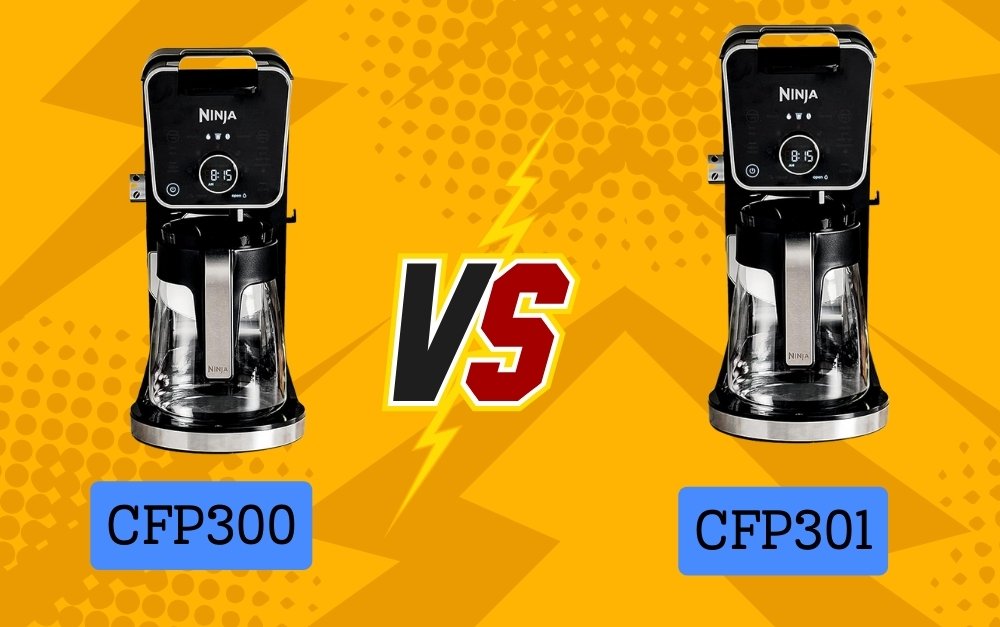
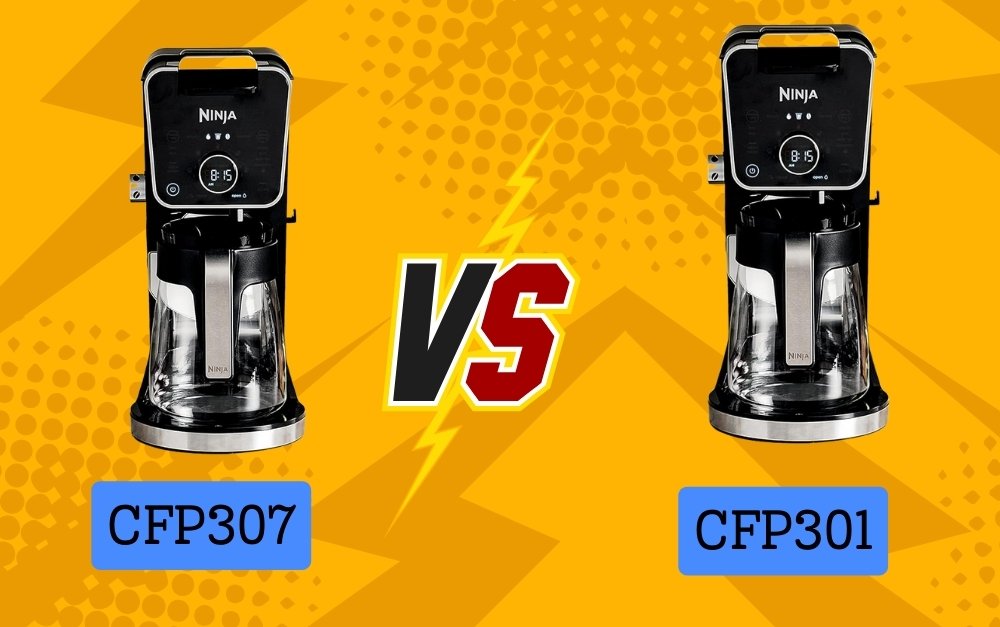
Want a cheaper Ninja? The CFP and CFN lines cost less. I compared the close ones here: Ninja CFP307 vs CFP301 covers paper filters versus a mesh one. Ninja CFP307 vs CFN601 covers K-Cups versus real espresso shots.
Best Cheap Espresso Machine: Casabrew Ultra
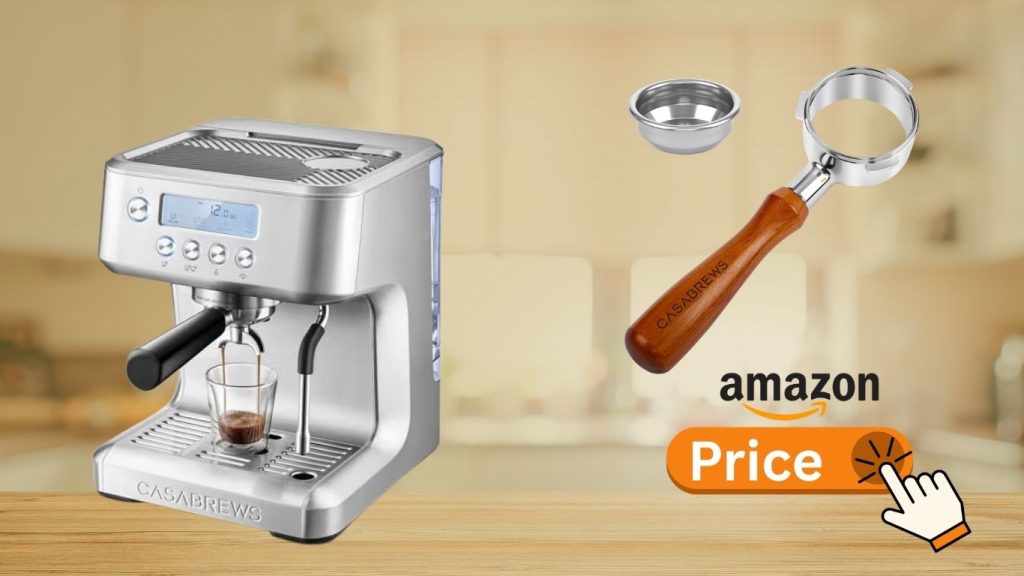
This machine costs about $200. On sale it drops to $189. It made espresso cheap enough to try.
It got big on social media. But the specs hold up on their own. You get PID heat control with four heat settings. You get a 20-bar pump that gives a true nine bars at the puck. You get pre-infusion. And you get an LCD screen, which makes it easy to dial in.
It ships with a 58mm portafilter. That is the size cafés use. You get two baskets. One is pressurized and easy. One is not, so you can grow into it.
The downside. The 10mm steam wand is slow. It is weaker than the wands on costly machines. Foaming milk takes more time. Making four drinks in a row means waiting.
Buy it if you want to try espresso first. It is a low-risk way to find out if you like the work.
Best First Espresso Machine: Breville Bambino
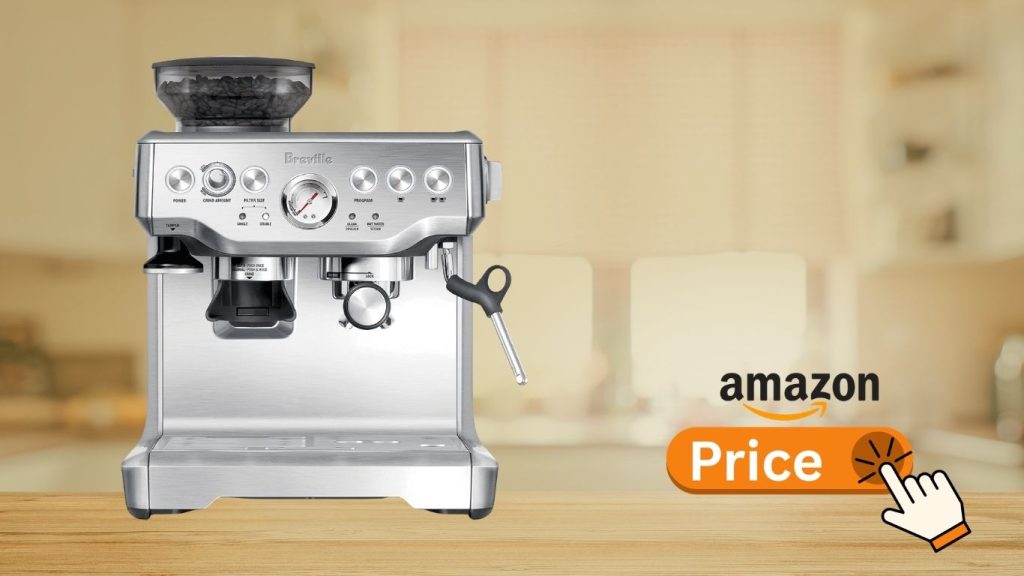
The Bambino is small but strong. I hand it to anyone who wants real espresso on a budget.
Its best trick is heat speed. The ThermoJet system hits brew heat in three seconds. Old boiler machines take 10 to 20 minutes. That gap matters. Most boiler owners never turn them on during the week. Three seconds turns espresso into a weekday drink.
It uses a 54mm portafilter with an 18g dose. It pulls a true nine bars with soft pre-infusion. The steam wand makes real microfoam. You can pour latte art with it. Few machines this cheap can do that.
The downside. There is no grinder. You must buy one. This matters more than it sounds. A weak grinder will hold back a good machine. Add $150 to $300 to your total.
Buy it if you care about espresso, have a tight budget, and own a burr grinder.
Best High-End Coffee Maker: Gaggia Classic Evo Pro
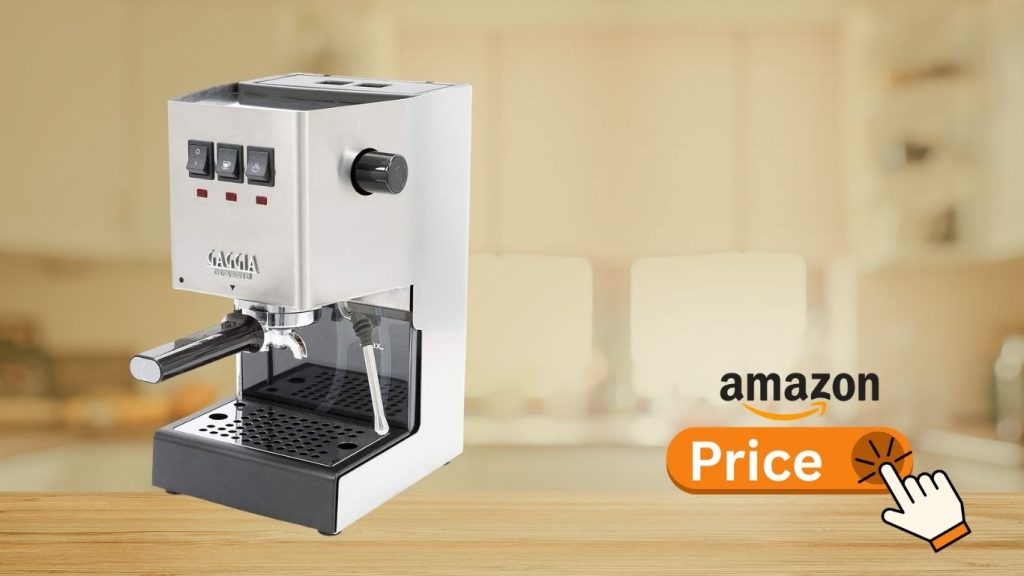
This is the best high-end coffee maker in one key sense. It is the one most likely to still run in 2036. It is not the priciest pick here. It is the one built to last.
The Gaggia Classic is made in Italy. It is boxy and plain. It has been sold for decades. A huge group of fans mod these machines.
You get a 58mm portafilter. You get a real steam wand. The new E24 model uses a brass boiler. That fixed the heat problems of older models. Heat now swings by just 3°F while it brews. Machines that cost three times more do not beat that.
It sits near $499. The aluminium model often drops to $400 on sale. Parts and mod kits are easy to find. So the machine gets better with time. It does not go out of date.
The downsides. No grinder. No tamper in the box. No cleaning kit, either. There is also a real learning curve. This machine helps you with nothing.
Buy it if you want full control. And if you like to fix and mod your own gear.
Best Guided Espresso Machine: Breville Barista Express Impress
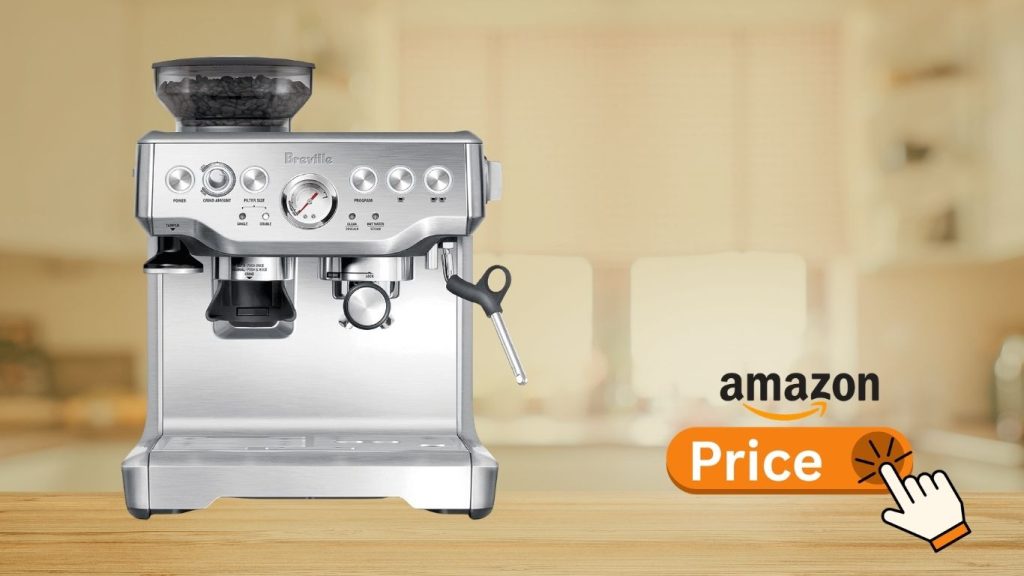
This one is for people who want the craft but not the hard part. It is the new take on the well-known Barista Express. The Impress Puck System is the real upgrade.
It doses for you. The machine works out how much coffee to use and adjusts it. Then it tamps for you, with 22 lb of even force and a 7° twist at the end.
That fixes the two most common errors at home. Bad dosing and bad tamping. Most bad shots come from those two things, not the beans.
You also get a burr grinder with 25 settings. The steam wand is strong. Heat is handled by a ThermoCoil with PID control. It costs $650 on sale and $780 at full price.
The downside. The ThermoCoil makes you wait between the shot and the milk. So it is not great for a busy house making many milk drinks in a row.
Buy it if you want to learn espresso but want help with the fiddly parts.
Best Bean-to-Cup Machine: Philips 5500 LatteGo
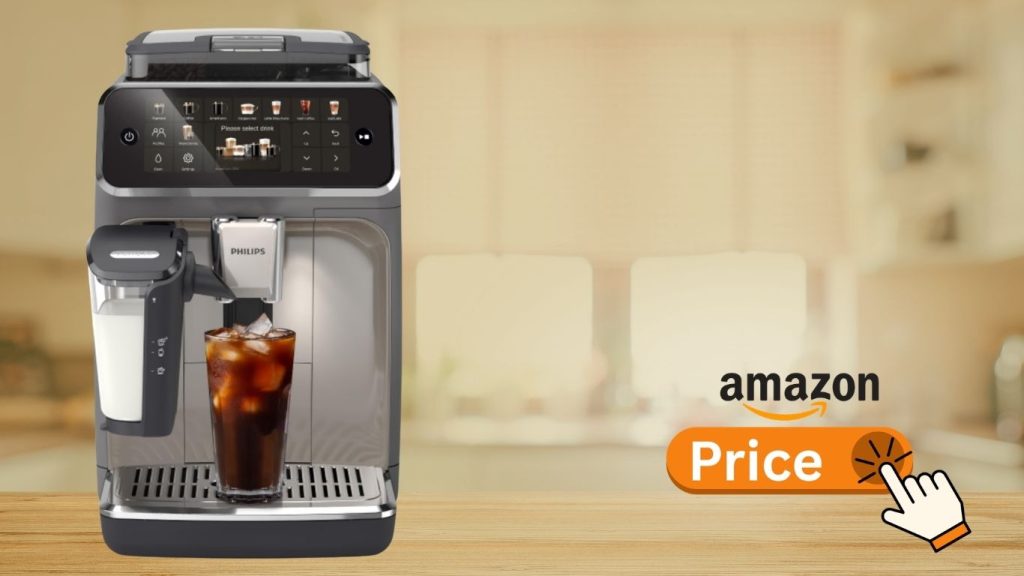
Press a button. Get a café drink. Do no work. That is the whole pitch.
The Philips 5500 makes 20 drinks at the touch of a button. Hot espresso. Iced lattes. Cappuccinos.
The LatteGo milk system is the star. It whips air into the milk to make smooth foam. And here is the key part. The milk system has just two parts. There are no tubes inside. You can rinse it clean in under 10 seconds.
That one thing matters more than any other spec. Most bean-to-cup machines use milk tubes. Those tubes are why so many of these machines end up in a cupboard.
You also get a ceramic grinder with 12 settings. Silent brew tech makes it 40% quieter than the old model. It is ready to brew in three seconds. And it holds five user profiles.
The downsides. It costs about $899. The tank holds 1.8L, so a busy house will refill it often. The iced drinks are hot espresso poured on ice, not true cold brew. So they can taste weak.
Buy it if you are busy and want café drinks with no skill and no mess.
Best for Two Kinds of Beans: De’Longhi Rivelia
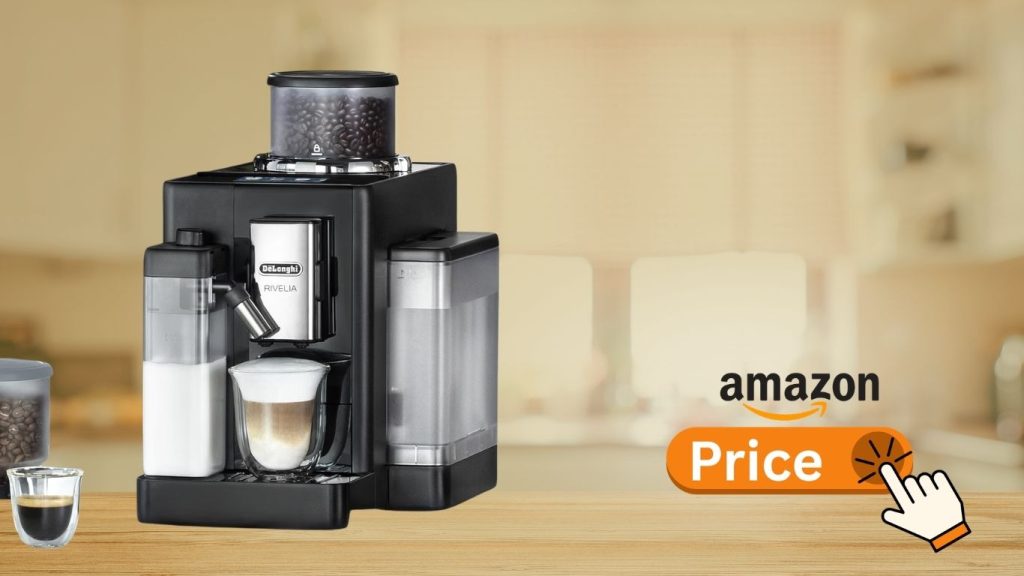
The Rivelia has one trick no rival matches. It has two bean hoppers you can swap. So you can use a dark roast at 8am and a decaf at 4pm. You never have to dump out beans.
The rest is strong too. There is a 3.5-inch colour touchscreen. There are 16 preset drinks. Four user profiles learn your habits throughout the day. The LatteCrema system makes rich milk foam.
It also walks you through each new bean you use. That guided setup is a big step up from basic auto machines. Most of them treat every bean the same way.
The coffee is steady day to day. It costs about $1,444, but you can often find it near $1,300.
The downsides. It is costly. Some owners report faults. Register the warranty on day one. Buy from a shop with easy returns.
Buy it if your house is split. One decaf drinker. One espresso drinker. And you want a premium build.
Best Drip Coffee Maker: Technivorm Moccamaster
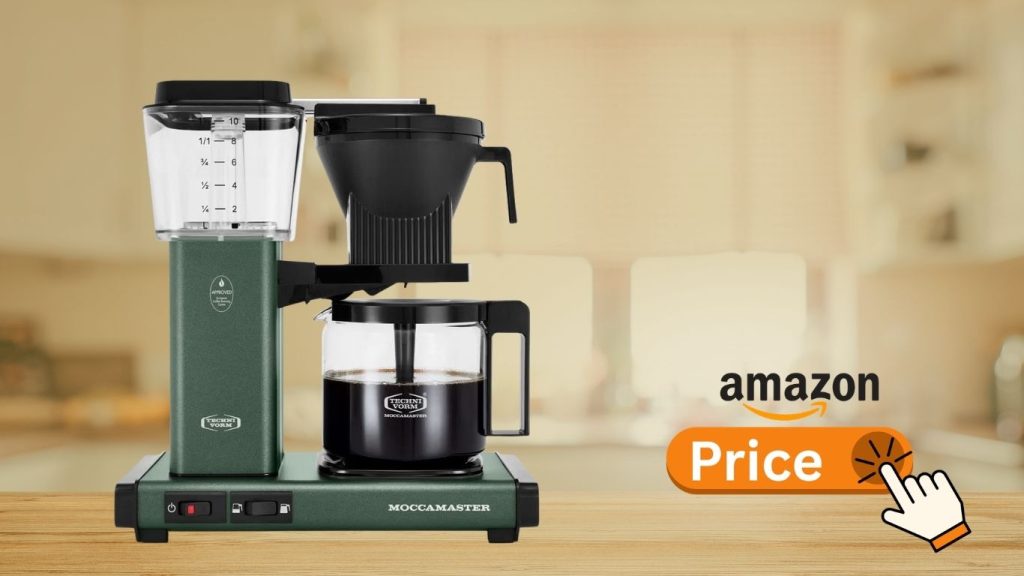
Do you drink black coffee by the mug? Then skip espresso. The best drip coffee maker is the Technivorm Moccamaster.
It has very few features. That is the point. It is built around steady heat and good parts. It lasts far longer than most drip machines.
A drip maker is just a pour over that works by itself. You add coffee and water. You turn it on. It does the rest. The Moccamaster brews up to 1.5L at a time. It holds the right heat the whole way through. And you can buy parts, so you fix it instead of tossing it.
Next to a hand-poured V60, it gives you more consistency and less control. For a rushed work morning, that is the right trade.
The downsides. You get less control. It takes up counter space. Thermal jugs are harder to keep clean than glass ones. And a $5 plastic dripper can match it in skilled hands.
Also look at Bonavita. Their drip makers cost less and hit similar brew heat.
Best Coffee Makers With Grinder
Want one box on the counter, not two? Then look at the Ninja Luxe Café Pro 701 and the Breville Barista Express Impress. Both use burr grinders with 25 settings. Both grind right into the portafilter.
A built-in grinder is a real win. Fresh ground coffee tastes far better than pre-ground. And when the grinder is built in, you will use it.
But know the trade. A built-in grinder is almost always weaker than a separate one at the same price. And if it breaks, the whole machine goes in for repair.
On the bean-to-cup side, the Philips 5500 and De’Longhi Rivelia both grind as well. They have to. It is how they work.
Best Coffee Maker With No Pods
Want the best coffee maker no pods needed? Then you have two paths. Fresh ground filter coffee. Or fresh ground espresso.
For filter, buy the Technivorm Moccamaster and a good burr grinder. That combo is the closest thing to a set-and-forget machine that still uses whole beans.
For espresso, buy the Breville Bambino. It is the cheapest route to truly good espresso from fresh beans.
Both cost more up front than a pod machine. Both cost far less per cup. Pods are the priciest way to drink coffee per gram. They also make the most trash, since each dose is wrapped on its own.
Best Pod Coffee Machines for Home
Pods are not the fan’s choice. But they fix a real problem. You get an espresso-style drink with no skill, no mess, and almost no cleaning.
A pod is a sealed cup of ground coffee. Nespresso-style pods hold about 5.5g. You fill the tank. You let it heat up. You drop in the pod. You press a button. Hot water is forced through the pod, which acts as the basket.
The result has thin crema. It tastes more like a lungo than a true espresso.
For the best pod coffee machines for home, the Nespresso Vertuo line is the safest pick. It is easy to find and has the widest pod range.
Here is a fact that may surprise you. Pod coffee is no longer always bad. The first Nespresso patents ran out. So real roasters moved in. Colonna Coffee in the UK led the way in Europe. Savage Coffee even sells contest-grade lots as pods.
The downsides. It is not fresh. The coffee is pre-ground, so it ages on the shelf. It costs the most per gram. And it makes the most waste.
Coffee Brewing Methods, Made Simple
Do not buy a machine yet. Some of these methods cost under $40. And they make great coffee.
French Press
This may be the most used brewer on earth. It has just two parts. A jar and a plunger with a mesh screen.
Add ground coffee. Pour hot water. Wait a few minutes. Press down. Pour.
The coffee sits in the water the whole time. So the cup has more body. Flavours blend more. The drink looks cloudy, since mesh does not catch fine bits the way paper does.
Good: cheap, simple, no filters, brews up to 1L. Bad: grit in the cup, hard to clean, slow, less clear in taste than pour over.
Pour Over
You pour hot water over a bed of coffee. The water drips through and pulls out flavour. The three big names are the Hario V60, the Kalita Wave, and the Chemex. Most brews take two to four minutes.
They differ in small ways. The V60 and Kalita sit on a mug. The Chemex is both brewer and jug. Chemex is glass. V60 comes in plastic or ceramic. Kalita is metal. Plastic and metal hold heat well and do not break.
Shape matters too. The V60 and Chemex are cone shaped. The Kalita has a flat bed. That changes how water moves through the coffee.
Good: very clean, clear cup. Great for light roasts. Full control. Basic drippers cost very little. Bad: hard to repeat until you learn it. Needs a gooseneck kettle and scales. Uses a paper filter each time. Very fussy about grind size.
Clever Dripper
This is a mix of the two above. The coffee steeps like a French press. Then you set it on a mug, a valve opens, and it drains through paper like a pour over.
Good: much more forgiving on grind size. Easy to repeat. No special kettle needed. Bad: harder to clean well. And it is not much to look at.
AeroPress
This is a press brewer. The force comes from your hand, not a pump. That speed means coffee in one or two minutes.
It has three parts. A chamber, a plunger, and a basket. There are two ways to use it. The normal way, and the upside-down way. Neither is right or wrong. There are hundreds of recipes out there.
Good: small, tough, great for travel. Makes short strong shots or full mugs. Fast. Easy to clean. Tiny filters mean less waste. Bad: makes only 200 to 250ml. Feels odd at first. And the huge pile of recipes can confuse you.
Moka Pot
This is the Italian stove-top classic. Alfonso Bialetti made the first one in 1933.
It has three parts. Water sits in the base. Coffee sits in the basket. Brewed coffee rises to the top. Steam pushes the water up through the coffee bed.
The drink is stronger than filter but softer than espresso. That makes it a great base for milk drinks.
Good: no kettle needed. Very hard to break. Great for camping. A true design classic. Bad: hard to control. Hard to clean. And it uses hot water under pressure, so take care.
Cezve or Ibrik
This method is very old. It is still big in Turkey, Greece, Ukraine, and the Balkans. It makes a small, very strong cup.
Grind the coffee finer than espresso. Use one part coffee to ten parts water. Heat it. The old way brings it to a boil. The new way stops just short.
You do not filter it. The grounds sink to the base of the cup.
Good: simple, and a lovely ritual. No filters needed. Bad: easy to over-brew. Needs a very fine, even grind. Makes only a small amount.
Espresso
Espresso is strong coffee with crema. It is brewed fast under high pressure. It is the hardest way to make coffee at home.
You have three choices. A manual lever machine. A pump machine. Or a super-auto with a grinder and a button.
All three cost more than each method above. And very cheap machines tend to break fast or brew badly.
Good: fast once set up. Tastes great when done right. It is the base for each milk drink. Bad: costly. You must learn to dial it in. You need a good grinder. And it needs real cleaning.
How to Pick the Best Coffee Maker for You
Budget for the whole setup
Most people spend it all on the machine. That is the big mistake. If you buy espresso and there is no grinder, you must buy one. The grinder shapes taste more than the machine does. Plan for the machine, the grinder, a tamper, and a cleaning kit.
Match it to your real life
Be honest about your mornings. Got eight minutes? Then a manual machine will not last. You will stop using it by week three.
Now flip it. Got twenty free minutes on a Saturday? Then a one-button machine will bore you fast.
Built-in grinder or not?
Built-in wins on space and speed. A separate grinder wins on grind quality and repairs.
If espresso is your main goal, go separate. If you want fewer things to think about, go built-in.
Count the drinkers
A 1.8L tank suits two people. It will annoy five. Heat recovery matters too. Making four milk drinks in a row is where single-boiler machines fall down.
Think about milk
Does your house drink it black? Then skip steam wands. Spend that money on a better grinder or drip maker.
Do you drink a latte each day? Then a one-touch milk system will get real use. A manual wand you must learn may not.
Be real about cleaning
Espresso machines need a backflush, a descale, and a daily wand wipe. Bean-to-cup machines need the milk part rinsed each time. Drip makers need a descale now and then.
Pick the chore you will really do.
Want to go deeper on grind size and brew ratios? The Specialty Coffee Association sets the standards the trade uses. Read it once before you start.
The One Thing That Beats Any Machine
Here is what most guides skip. No machine can fix bad coffee.
Your beans shape the cup more than your gear does. So before you spend more on a machine, check three things.
Quality. Buy specialty grade beans from a roaster near you. Freshness. Find the roast date. Then drink it soon. Coffee fades over weeks, not months. Roast level. Each brew method suits a different roast.
And if you take one tip from this guide, take this one. Grind your beans right before you brew. If you do not, you lose a lot of what you paid for. Buy the best grinder you can afford. Hand or electric. You will not regret it.
Common Questions
What is the best coffee maker for home use?
For most homes, it is the Ninja Luxe Café Pro 701. It makes espresso, drip, and cold brew in one unit, and it has a grinder built in. If you only drink one kind of coffee, a single-job machine will do that job better. Pick the Moccamaster for filter or the Breville Bambino for espresso.
What is the best brand of coffee maker?
No one brand wins each class. Breville leads in guided espresso. Technivorm leads in drip. Gaggia leads in long-life machines. Philips and De’Longhi lead in bean-to-cup. Pick the brand that leads in the class you need.
What is the #1 coffee maker?
It depends on what you want most. For range and value, it is the Ninja Luxe Café Pro 701. For espresso per dollar, it is the Breville Bambino. For long life, it is the Gaggia Classic Evo Pro.
What does RTINGS say is the best coffee maker?
RTINGS runs lab tests on coffee makers. They measure brew heat, brew time, and how steady each machine is. They do not just repeat brand claims. Their list shifts as they test new models, so check it next to this guide.
Do I need a coffee maker with a grinder?
You need a grinder. Whether it lives inside the machine is up to you. Built-in saves space and steps. A separate one grinds better for the same money and is easier to fix.
Is a costly coffee maker worth it?
Up to a point. Going from $60 to $250 changes the cup a lot. Going from $900 to $1,400 mostly buys comfort and build, not taste. Past about $500, put the next dollar into beans and a grinder.
Final Word
For most people, the best coffee maker in 2026 is the Ninja Luxe Café Pro 701. It covers espresso, drip, and cold brew. It grinds for you. And it guides new users well. All for far less than three machines would cost.
Care only about espresso? Start with the Breville Bambino. Put the money you save into a grinder.
Drink black coffee by the mug? Buy the Technivorm Moccamaster and stop thinking about it.
And no matter what you buy, get fresh beans. Grind them just before you brew. That one habit will change your coffee more than any machine.