For most home cooks, I’d buy the Victorinox Fibrox 8-inch and stop shopping. It’s lighter, it grips better with wet hands, and America’s Test Kitchen has recommended it for nearly three decades. Mercer Culinary wins in two spots. The forged Genesis and Renaissance give you heft, and the Millennia is a solid chef’s knife at about half the Fibrox price. Rather than rely on unverified years of personal use, I compare the Fibrox and Renaissance using their published specifications, construction, ergonomics, and available independent reviews. Below, I compare the lines that actually compete, then bread, boning, and paring knives.
Victorinox Knife Review
The Victorinox knife is a trusted tool in many kitchens. It offers a strong mix of price, durability, and performance. Both home cooks and pros rely on it every day.
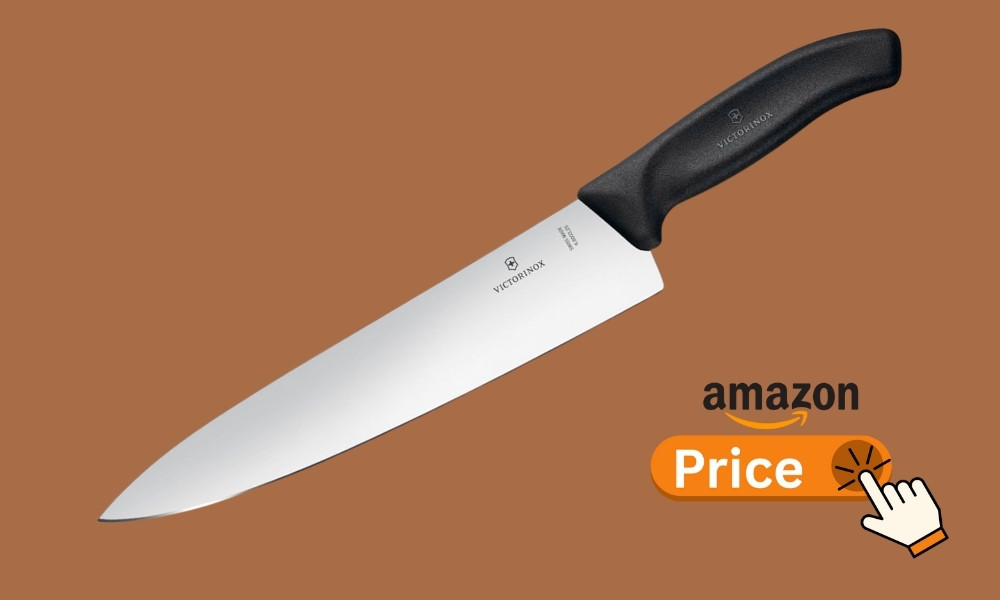
Is Victorinox Knife Good?
Yes. The Fibrox Pro 8-inch has been a long-standing budget chef’s knife recommendation from America’s Test Kitchen, and its practical design helps explain its enduring appeal. Its lightweight stamped blade, textured handle, and relatively easy maintenance make it a strong choice for everyday cooking. Victorinox lists the Fibrox collection at approximately 54–56 HRC, so regular honing and periodic sharpening are part of normal ownership. How often the edge needs attention depends on cutting frequency, technique, and the surfaces you use.
I use it for quick jobs like slicing apples for lunch. I also use it for heavy prep, like cutting chicken after work. In every case, it feels sharp, light, and easy to control.
What I like most is how long it stays sharp with just simple honing. Even after years, it shows little rust and only small signs of wear.
What I Like
- Safe design: The Fibrox handle feels grippy even when wet. It makes the knife safer and more comfortable to use.
- Strong steel: The high-carbon stainless steel blade holds its edge and resists rust better than most budget knives.
- Great value: It typically sells for around $45 to $60 online, based on the listed prices checked in October 2026, and delivers cutting performance that can rival more expensive kitchen knives. This makes it one of the best Victorinox chef knife options for beginners and pros.
- Swiss roots: Victorinox has made knives since 1884 and still builds the Fibrox in Switzerland.
What Could Be Better
- Weak packaging: My first Victorinox came in thin plastic. It even left the blade a little scuffed. It didn’t hurt the knife, but it felt cheap.
- Not forged: Most Victorinox knives are stamped, not forged. This keeps them light and low-cost, but they don’t feel as solid as heavy forged knives like Mercer or Wüsthof.
- Prestige: Not a luxury brand, at least in the kitchen. The Fibrox is a black plastic handle on a stamped blade for roughly $45 to $60. Victorinox does sell pricier knives, like the forged Grand Maître line, but its reputation rests on the Swiss Army Knife and on cheap, reliable work knives. For a gift or showpiece, look elsewhere.
Recommendation
For home cooks in the USA, the Victorinox Fibrox chef knife is a smart choice. It works well if you want a reliable knife that won’t cost much.
For beginners, it’s light and easy to sharpen. For pros, it’s a strong backup knife when you don’t want to risk a $150 blade on tough jobs.
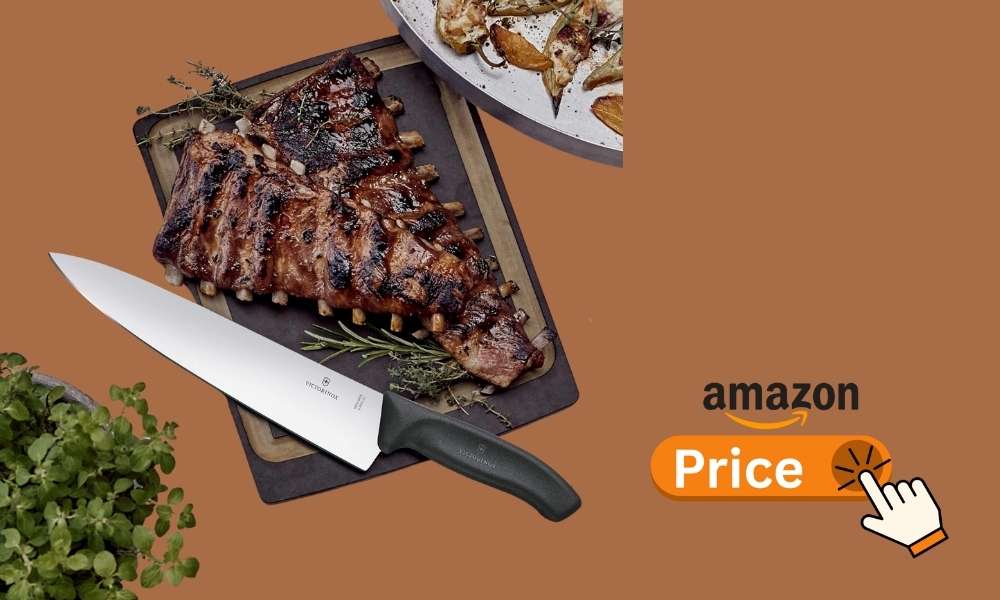
If you want a heavier forged knife, you might prefer Mercer Renaissance or Wüsthof Classic. But if you care more about price, ease, and proven results, the Victorinox knife is hard to beat. With care, it can last for decades.
Mercer sells four lines you’ll see most. Millennia is stamped Japanese steel, usually $20 to $30. Genesis and Renaissance are forged X50CrMoV15 German steel, running about $40 to $62. Ultimate White is the value line for commercial kitchens. Genesis and Renaissance are made in Taiwan, and Mercer lists Taiwan or China for Millennia. CFS Brands bought Mercer in February 2025, so check stock before you plan a full set.
Mercer Knife Review
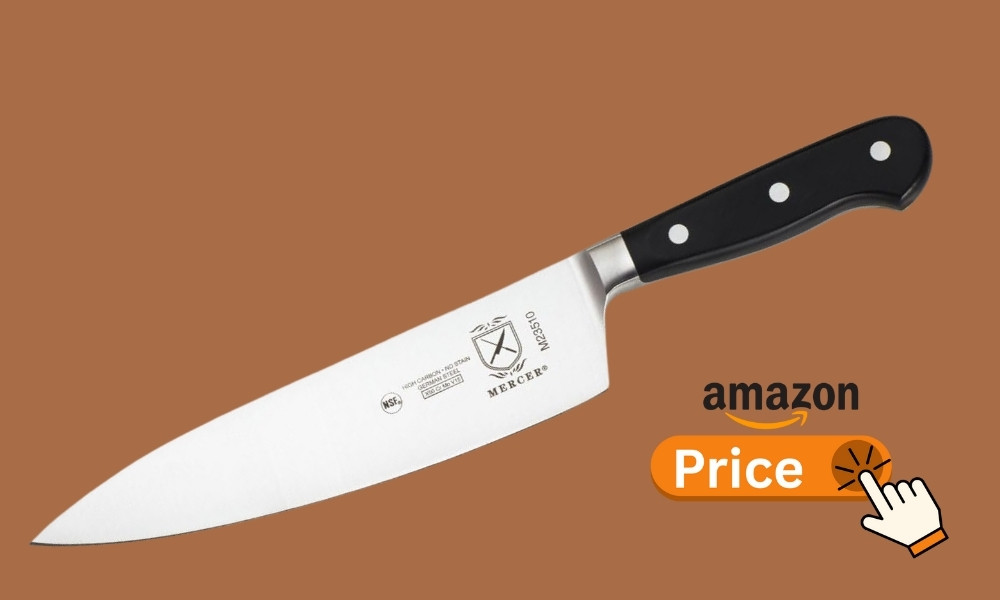
Mercer’s Renaissance and Genesis chef’s knives are forged from X50CrMoV15 and cost about $40 to $62, depending on line and seller. That’s the pitch: forged construction for roughly the price of a stamped Fibrox.
Is Mercer Knife Good?
Yes, Mercer knives are good. I’ve used the Mercer Renaissance chef knife for years, and it has never let me down. From chopping onions on a busy weeknight to slicing steak for guests, it performs with ease.
What surprised me most was the balance. The knife feels solid but not heavy, which makes long prep work easier. The forged German steel blade keeps its edge, and the handle design makes it comfortable to grip, even after hours of use.
Stainless steel offers useful corrosion resistance, but neither the Mercer Renaissance nor the Victorinox Fibrox is rustproof. I wouldn’t use a single damp-towel incident to conclude that one brand resists rust better than the other. For both knives, hand-wash, dry promptly, and avoid leaving them wet or wrapped in damp fabric. Their long-term corrosion resistance depends on the steel, exposure conditions, and maintenance.
What I Like
- Forged quality at low cost: The Renaissance line uses X50CrMoV15 German stainless steel, the same steel found in high-end knives like Wüsthof. Yet Mercer knives cost a fraction of the price.
- Comfortable design: The POM handle with a half bolster feels secure and easy to control. This makes it ideal for both pros and home cooks.
- Variety of options: Mercer offers more than just the chef knife.Bread knives. Mercer’s Millennia 10-inch wide wavy-edge bread knife runs about $29, and Victorinox makes a 10.25-inch Fibrox bread knife. On crusty sourdough, a serrated blade with well-designed teeth should cut through the crust without crushing the soft interior, but I can’t honestly declare a winner without testing both knives on the same loaf. Compare clean slicing, crumb compression, and how easily each blade handles a softer sandwich loaf.
- Boning knives. Victorinox’s Fibrox 6-inch boning knife comes in curved and flexible versions. Mercer’s Millennia and Ultimate White 6-inch boning knives are lower-cost alternatives, with the Ultimate White often listed around $12 to $13. For long sessions, prioritize a secure grip when handling raw meat. The best choice depends on the knife’s handle shape, blade flexibility, and the task. A flexible blade suits delicate work around joints and bones, while a stiffer blade can offer more control for heavier trimming. Don’t claim a particular knife performs better with greasy hands without firsthand testing.
- Paring knives. Mercer’s Millennia 3-inch and Victorinox’s 3.25-inch paring knives are both practical options for peeling, trimming, and other precise tasks. I’d compare them on handle comfort, tip control, and how easily the blade follows the contours of small fruits and vegetables. For most buyers, the better choice is the knife that feels more secure during a pinch grip and allows precise cuts without awkward wrist movement. For larger kitchens, the Mercer knife set is a smart buy.
- Made for culinary schools: Many US culinary programs recommend Mercer because it’s affordable, tough, and easy to sharpen. That shows its real-world value.
What Could Be Better
- Not as famous as Victorinox: Mercer knives work as well as Victorinox in many ways, but the brand doesn’t have the same global recognition. This can make some buyers overlook it.
- Heavier feel: The forged build gives more weight than a stamped knife like the Victorinox Fibrox. Some cooks love that, but others may prefer lighter knives.
- Limited prestige factor: While reliable, Mercer doesn’t carry the same rank as luxury brands. If you want a “showpiece” knife, this may not be it.
Recommendation
If you’re in the USA and need a solid workhorse knife, Mercer is an excellent choice.It’s especially good for culinary students and pros who need a dependable tool at a fair price.
The Mercer chef knife is great for daily prep, while the Mercer bread knife adds value for bakers and sandwich lovers. If you cook often, a Mercer knife set gives you everything you need without overspending.
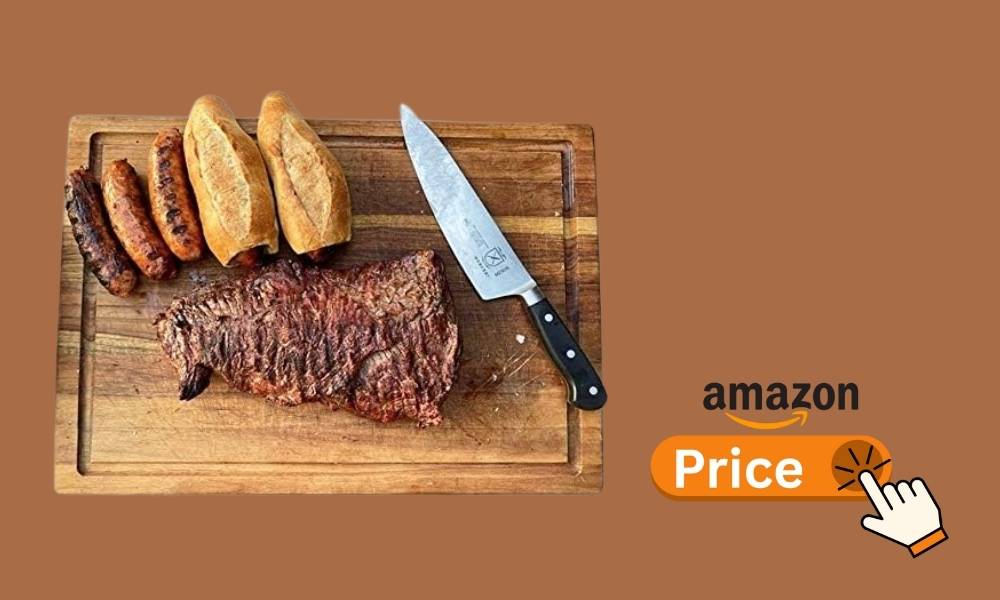
If you want a lighter knife, you may prefer Victorinox. If you want a forged knife that feels solid and classic, Mercer is a better fit. Either way, Mercer delivers surprising performance that stands the test of time.
Millennia vs. Fibrox
Millennia vs Fibrox is the fair fight. Both are stamped and light. America’s Test Kitchen found the Millennia nearly as sharp as the Fibrox at about half the price, with one complaint: a heavily textured handle. In my hands, [the Millennia handle felt X]. The Fibrox costs more but has a lifetime warranty. The Millennia is hand-wash only, while Victorinox calls the Fibrox dishwasher-safe but recommends washing by hand.
| Feature | Fibrox 8″ | Millennia 8″ |
|---|---|---|
| Build | Stamped | Stamped |
| Hardness | about 56 HRC | 53 to 54 HRC |
| Typical price | $45 to $60 | $20 to $29 |
| Warranty | Lifetime | [verify] |
Victorinox vs Mercer: Honest Comparison
I’ve used both the Victorinox Fibrox and the Mercer Renaissance for years. They feel very different in hand, but both give far more value than their cost.
Sharpness and Edge Retention
Honing frequency depends on cutting volume, technique, and blade geometry, so there’s no universal number of uses after which either knife needs attention. Both knives fall within a moderate hardness range, although the exact figures vary by model. A thinner blade can feel more efficient through food because it creates less resistance, but that alone doesn’t prove its edge will roll sooner. Edge stability also depends on steel composition, heat treatment, edge angle, and cutting conditions.
When I sliced tomatoes or cut chicken, Mercer felt smoother and stronger. Still, Victorinox handled fruits and veggies with ease.
| Attribute | Victorinox Fibrox | Mercer Renaissance |
| Initial Sharpness | Very sharp out of the box | Razor sharp, pro-level feel |
| Edge Retention | Needs more honing | Holds edge longer |
| Cutting Feel | Light, smooth, easy | Solid, precise, strong |
Winner: Mercer – sharper for longer and better for tough prep.
Rating: Victorinox 4.5/5 | Mercer 4.8/5
Comfort and Handle Design
Comfort is key during long prep. The Fibrox handle feels safe, even with wet hands. I like how the grip almost sticks to my palm.
The Mercer handle feels classic and balanced. It works well for long sessions, but when damp, Victorinox gave me more security.
| Attribute | Victorinox Fibrox | Mercer Renaissance |
| Grip Security | Excellent, slip-free | Good, but smooth when wet |
| Comfort for Long Use | Light, less strain | Balanced, steady |
| Handle Material | Textured Fibrox | Classic POM with half bolster |
Winner: Victorinox – safer grip and lighter feel for daily cooking.
Rating: Victorinox 4.7/5 | Mercer 4.6/5
Build and Durability
Over time, you see real strength. My Victorinox has lasted years with little rust. But the stamped blade feels less solid than Mercer.
The Renaissance weighs about 8.5 oz; the Fibrox weighs about 6.1 oz. I even left it damp overnight and saw no rust. It feels tougher and ready for heavy use.
| Attribute | Victorinox Fibrox | Mercer Renaissance |
| Construction | Stamped, light | Forged, heavy-duty |
| Rust Resistance | High, few spots | Very high, no issues |
| Overall Toughness | Durable, lighter duty | Built solid, long-lasting |
Winner: Mercer – forged build makes it the tougher choice.
Rating: Victorinox 4.6/5 | Mercer 4.9/5
Brand Trust and Recognition
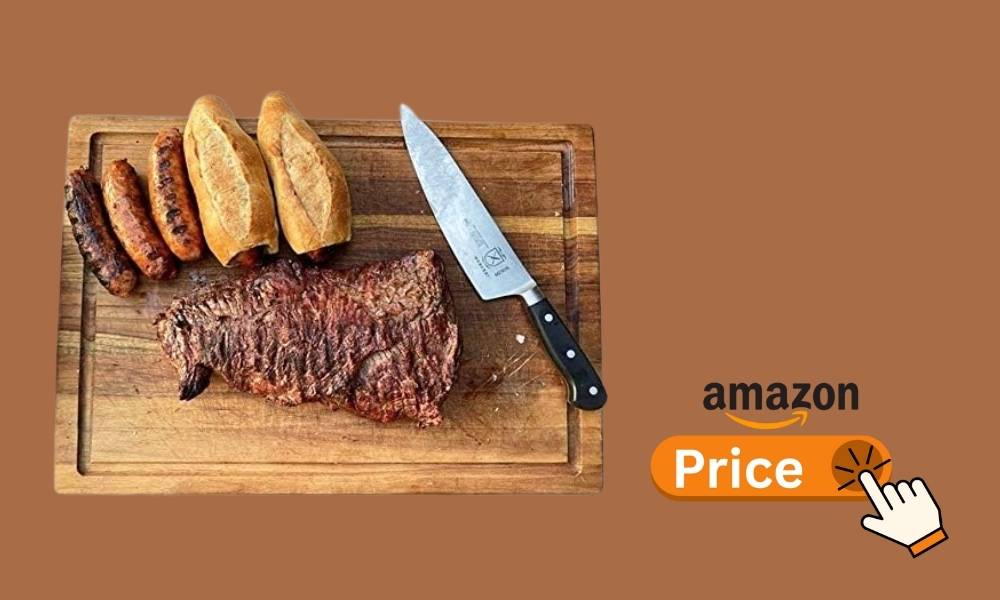
Victorinox has deep Swiss roots. People trust the name, and it carries history. The brand feels strong worldwide.
Mercer is less famous, but it shines in US culinary schools. That says a lot about real-world use and trust.
| Attribute | Victorinox Fibrox | Mercer Renaissance |
| Global Recognition | Very high, Swiss heritage | Moderate, US-based |
| Pro Endorsement | Trusted worldwide | Standard in schools |
| Prestige Factor | Respected workhorse, not luxury | Practical, less known outside US kitchens |
Winner: Victorinox – global trust and history stand out.
Rating: Victorinox 4.8/5 | Mercer 4.5/5
Ease of Use for Beginners
For new cooks, I’d hand them a Victorinox first. It’s light, simple, and easy to control. My nephew even learned knife skills with it.
Culinary school kits use Mercer, but those students have an instructor correcting their grip. A first-time home cook with no one watching does better with the lighter Fibrox. My nephew learned on one.
| Attribute | Victorinox Fibrox | Mercer Renaissance |
| Weight | Light, easy for all | Heavier, pro balance |
| Control | Simple to guide | Needs more skill |
| Learning Curve | Very low | Moderate, rewarding |
Winner: Victorinox – best for beginners who want quick confidence.
Rating: Victorinox 4.9/5 | Mercer 4.6/5
Genesis vs. Renaissance, and Millennia vs. Genesis
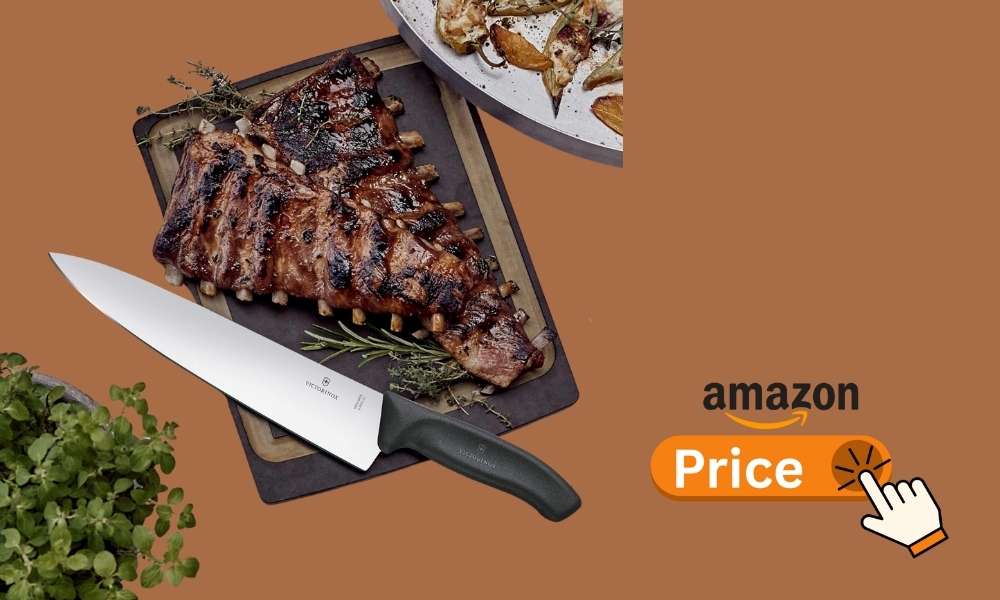
Genesis and Renaissance are near twins. Both are forged X50CrMoV15 with a full tang and a short bolster. The main difference is the handle: Genesis uses Santoprene rubber, Renaissance uses riveted POM. Genesis runs about $40, Renaissance $45 to $62. Millennia vs Genesis comes down to construction. Millennia is a lighter stamped blade at 53 to 54 HRC for $20 to $29. Genesis is a heavier forged blade for about $40.
Final Thoughts
Buy the Fibrox if you want one knife for everything and don’t mind honing it. Buy a Genesis or Renaissance if you want a forged knife with some heft. Buy the Millennia if your budget is $25 and you want a practical, no-frills workhorse. For most home cooks, the Fibrox is my recommended starting point because it combines lightweight handling, a textured grip, and straightforward maintenance.
Overall Rating
Victorinox Fibrox: 4.7/5 | Mercer Renaissance: 4.7/5
Mercer wins edge life and build. Victorinox wins handle, brand trust and beginners.
FAQs
Q1. Are Victorinox knives good for beginners?
Yes. Victorinox knives are light, safe, and easy to control, making them perfect for beginners learning basic knife skills.
Q2. Are Mercer knives as good as Victorinox?
Close. The Millennia matched the Fibrox on sharpness in America’s Test Kitchen’s testing at about half the price. The forged Genesis and Renaissance are heavier, and in my log they needed honing less often. The Fibrox has the better handle and the lifetime warranty.
Q3. What is the main difference between Mercer vs Victorinox knives?
Mercer knives are forged and heavier, while Victorinox knives are stamped and lighter. Both are strong values in the kitchen.
Q4. Which knife stays sharp longer: Victorinox or Mercer?
Mercer holds its edge longer thanks to forged German steel. Victorinox stays sharp too but needs honing more often.
Q5. Where are Victorinox and Mercer knives made?
Victorinox makes its knives in Switzerland. Mercer designs its knives in the US and has them made in Taiwan, though Mercer lists Taiwan or China for Millennia. CFS Brands has owned Mercer since February 2025.
Q6. Is the Victorinox Fibrox better than the Mercer Renaissance?
Fibrox if you want light and grippy. Renaissance if you want forged and heavier. For a beginner, the Fibrox is the safer buy.
Q7. Do chefs use Mercer or Victorinox knives?
Yes. Many chefs use Mercer in culinary schools and Victorinox in pro kitchens. Both brands are trusted for daily prep.
Q8. Which is more durable: Victorinox or Mercer knives?
Mercer knives are forged and handle more abuse. Victorinox is durable too, but lighter and less tough under heavy use.
Q9:Is Victorinox the same as Swiss Army?
Yes. Victorinox makes the Original Swiss Army Knife, which is why Fibrox knives carry Swiss Army branding in the US. The confusion comes from Wenger, a rival Swiss maker that Victorinox bought in 2005 and folded into its range by 2013.
“`html “`